The Rise of Andrea Kimi Antonelli: His F1 Career and Future Explained
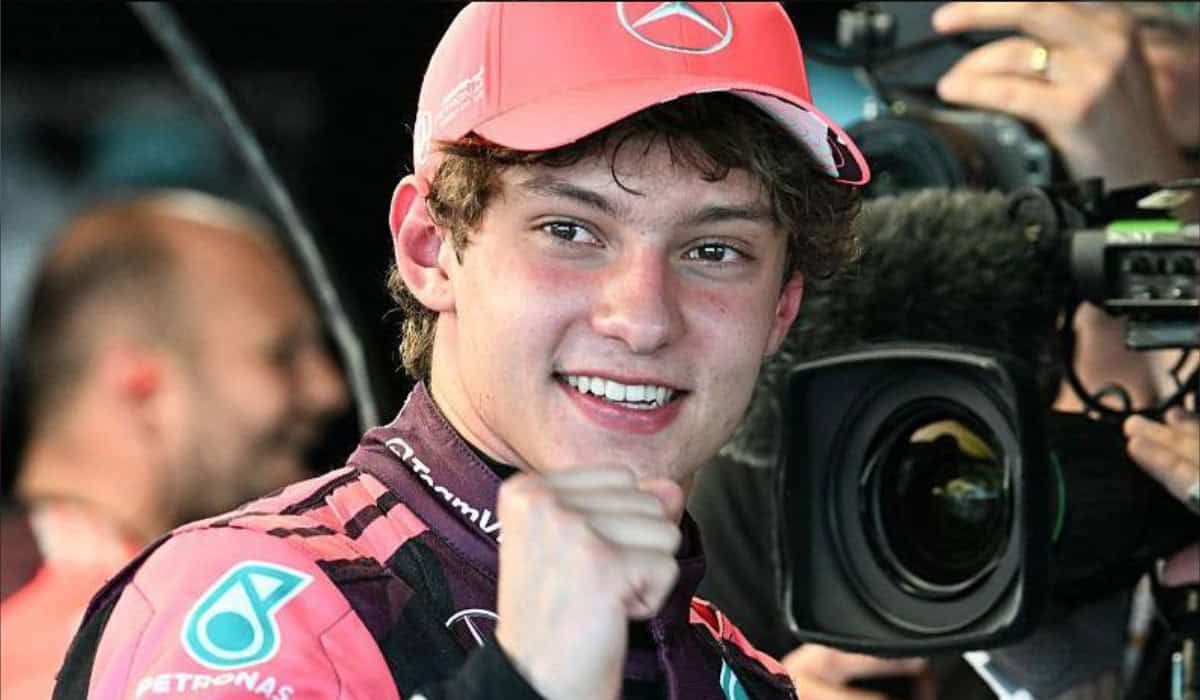
Andrea Kimi Antonelli is quickly establishing himself as one of motorsport’s brightest young talents. Born into the world of competitive karting, he has progressed through junior formulae with precision and consistency, catching the attention of top F1 teams. As a Mercedes junior driver, Antonelli’s trajectory suggests a future on the grand stage of Formula 1, blending raw speed with intelligent racecraft. Fans and analysts alike are curious about his physical attributes, racing style, and how he stacks up against past rookie sensations. Understanding Antonelli’s height, development, and driving philosophy offers insights into what makes him a potential championship contender. From karting dominance to Formula 2 campaigns, this guide delves into his career, compares him with historical rookies, and explores what to expect when he eventually reaches Formula 1.
Who is Andrea Kimi Antonelli
Andrea Kimi Antonelli is a rising star from Italy with a reputation for precision and composure on track.
• Born in 2006, he has already made waves in karting and junior formulas.
• A Mercedes junior driver, Antonelli is closely monitored by F1 scouts.
• He combines speed with strategic race management, standing out in competitive grids.
Antonelli’s ascent reflects a well-structured development path, merging early talent identification with top-tier team support, marking him as an F1 driver of the day who embodies the modern rookie—young, highly trained, and capable of adapting to multiple racing environments.
Height, Age & Physical Stats
Physical attributes play a surprisingly important role in driver performance.
– Antonelli is reportedly 1.73 meters tall, ideal for modern F1 ergonomics.
– His age gives him time to develop endurance, reflexes, and adaptability.
– Weight management ensures optimal car balance, critical in junior formulae.
Understanding height and physical conditioning is essential, as they affect car fit, seat ergonomics, and center of gravity—all factors that influence lap times and tire-wear management and are carefully optimized by the most successful F1 teams.
Karting & Junior Career
Antonelli’s career began with karting dominance before transitioning to higher formulas.
- Multiple karting championships in Italy and Europe showcased early skill.
- Steady progression through Formula 4 highlighted racecraft and consistency.
- Notable wins against top peers signaled international competitiveness.
- Adaptation to different circuits demonstrates versatility essential for F1.
- Early exposure to international racing nurtured media handling and pressure management.
His junior career paints the picture of a driver who learns quickly, maximizes his machinery, and consistently delivers podium finishes—qualities that make him an ideal candidate for F1 teams scouting young talent with a strong motorsport legacy.
Mercedes Development Program
Being part of the Mercedes junior program accelerates Antonelli’s pathway.
• Access to world-class engineering and coaching resources.
• Simulation training and telemetry analysis to refine driving techniques.
• Networking with Formula 1 personnel to understand team operations.
• Opportunities to test advanced machinery, gaining valuable experience.
• Exposure to high-pressure environments prepares him for F1’s intense scrutiny.
Mercedes fosters his growth not just as a driver but as a complete professional, emphasizing data-driven improvement, exciting updates and thrilling moments, and the development of mental resilience and tactical awareness on track.
Driving Style Analysis
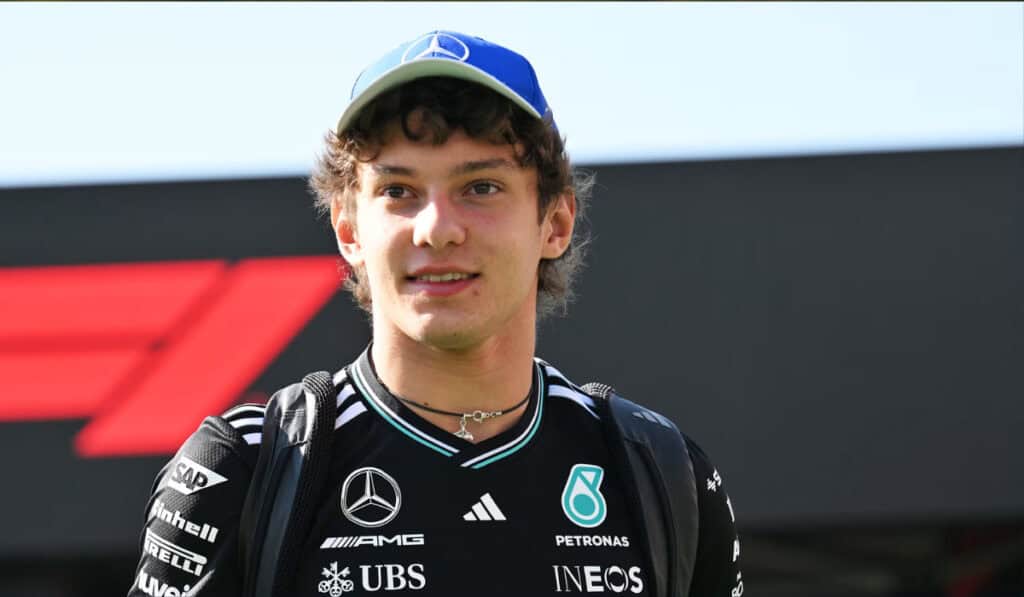
Antonelli’s driving style combines aggression with precision.
– Smooth corner entry and exit, conserving tires efficiently.
– Exceptional overtaking judgment in junior races.
– Consistent lap times under pressure demonstrate maturity.
– Adapts car setup preferences quickly, showing technical intelligence.
His driving style reflects a balance between attacking instincts and controlled decision-making, a combination that has historically predicted success at higher levels of motorsport—an approach seen in elite figures who capture global attention, from Lewis Hamilton and Shakira to other icons beyond the track.
Comparisons with Past F1 Rookies
Comparing Antonelli with past rookies illustrates his potential.
- Shares similarities with Charles Leclerc in adaptability and precision.
- Mirrors Max Verstappen’s early aggressive yet calculated overtakes.
- Shows maturity comparable to Lando Norris at similar age and experience.
- Maintains composure in chaotic race situations, a key rookie trait.
These comparisons underscore that Antonelli is on track to transition smoothly into Formula 1, while leveraging lessons learned from past successful drivers and the competitive standards set by teams like Red Bull Racing.
F1 Debut Expectations
Speculation about Antonelli’s F1 debut is already a hot topic.
• Likely entry through Mercedes-affiliated teams or sister programs.
• Expected to debut within the next 2–3 years based on performance.
• Gradual acclimatization to hybrid-era machinery will be crucial.
• Media and sponsor pressures require careful management.
• Pre-season testing opportunities will offer the first glimpses of potential impact.
Anticipation is high, but teams will prioritize readiness over hype to ensure a successful rookie campaign.
Media Hype vs Reality
Public perception can sometimes outpace performance.
– Media often labels Antonelli as the “next big thing” prematurely.
– Analysts stress measured expectations due to F1’s steep learning curve.
– Social media amplifies achievements, adding pressure.
– On-track performance will ultimately define his career trajectory.
Balancing media attention with real-world racing experience is essential for longevity in a sport as demanding as Formula 1.
Long-Term Potential
Antonelli’s long-term trajectory is promising but depends on several factors.
• Continued development in Formula 2 or equivalent series.
• Strong partnerships with F1 engineering teams for car adaptation.
• Mental resilience to handle championship pressures.
• Strategic racecraft to convert qualifying performance into podiums.
With the right team environment, support structure, and technological innovations supporting consistent performance, Antonelli has the potential to compete for wins and, perhaps, future world championships.
Mentorship & Team Dynamics
Mentorship from senior drivers and team engineers accelerates growth.
– Close guidance on race strategy and tire management.
– Feedback on car setup enhances adaptability.
– Building trust within team ensures smooth integration during F1 campaigns.
– Access to veteran knowledge reduces rookie mistakes and speeds learning curve.
Strong mentorship often differentiates successful rookies from those who struggle under F1 pressures, making it a vital component of Antonelli’s career planning.
Training & Physical Preparation
Modern F1 requires elite fitness and mental resilience.
• Cardiovascular training supports sustained focus during races.
• Strength training enhances control over high-G corners and braking.
• Reaction time drills improve start performance and split-second decisions.
• Nutrition tailored to maintain weight without sacrificing strength.
Antonelli’s physical regimen ensures that his body matches the demands of cutting-edge F1 machinery, providing a competitive edge over peers.
Conclusion
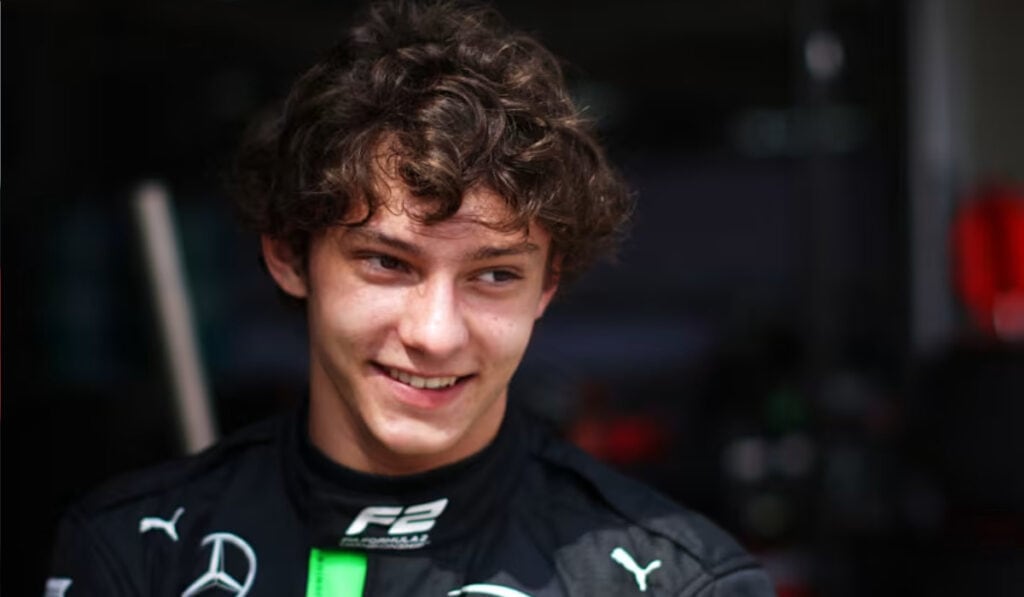
Andrea Kimi Antonelli embodies a blend of raw talent, structured training, and strategic mentorship that positions him as one of the most promising young drivers in motorsport. From karting championships to domination in the junior formula categories, his progression reflects careful development within Mercedes’ system and a natural racing intelligence shaped by experienced leadership figures such as James Vowles. Antonelli’s height and physical conditioning complement his technical skills, allowing him to maximize car performance while adapting to complex circuits. As media attention intensifies, he remains focused on measured progress, learning from past rookies, and preparing for a Formula 1 debut. With the right opportunities, guidance, and mental fortitude, Antonelli has all the tools to become not only a successful F1 rookie but potentially a future world champion—making his career one to watch closely in the coming years.
FAQ
What is Kimi Antonelli’s height?
Andrea Kimi Antonelli is reportedly 1.73 meters tall, an ideal height for modern Formula 1 ergonomics and car fitting, balancing weight distribution and cockpit space efficiency.
How old is Andrea Kimi Antonelli?
Born in 2006, Antonelli is still in his teens, making him one of the youngest drivers on the Mercedes junior program and giving him years to develop before an F1 debut.
What is his karting background?
Antonelli has won multiple Italian and European karting championships, showcasing consistency, racecraft, and adaptability across different circuits and competitive grids from a young age.
When is Antonelli expected to debut in F1?
Based on current progression and Mercedes’ development path, he could enter Formula 1 within the next two to three years, depending on opportunities and readiness.
What makes Antonelli a potential F1 star?
His combination of technical intelligence, consistent performance, driving style, physical preparation, and mentorship under Mercedes positions him as a strong candidate for long-term F1 success and championship contention.