Formula 1 Aerodynamics: The Science Behind Championship-Winning Speed
Formula 1 is widely considered the most technologically advanced motorsport in the world, and aerodynamics plays a central role in achieving the incredible speeds seen on track. Modern F1 cars are carefully designed so that airflow around and beneath the vehicle improves grip, stability, and efficiency. Engineers shape every surface—from the front wing to the floor—to control how air behaves at high speed. This airflow management directly influences lap times, tire wear, and cornering performance. Because races are often decided by fractions of a second, even small aerodynamic improvements can deliver significant competitive advantages. Understanding Formula 1 aerodynamics therefore reveals why some teams consistently dominate while others struggle to keep pace.
The Role of Aerodynamics in Modern Formula 1 Performance
- Aerodynamic efficiency directly influences lap time and cornering speed.
- Teams with better airflow management often outperform rivals.
- Aerodynamics affects tire grip, stability, and overall balance.
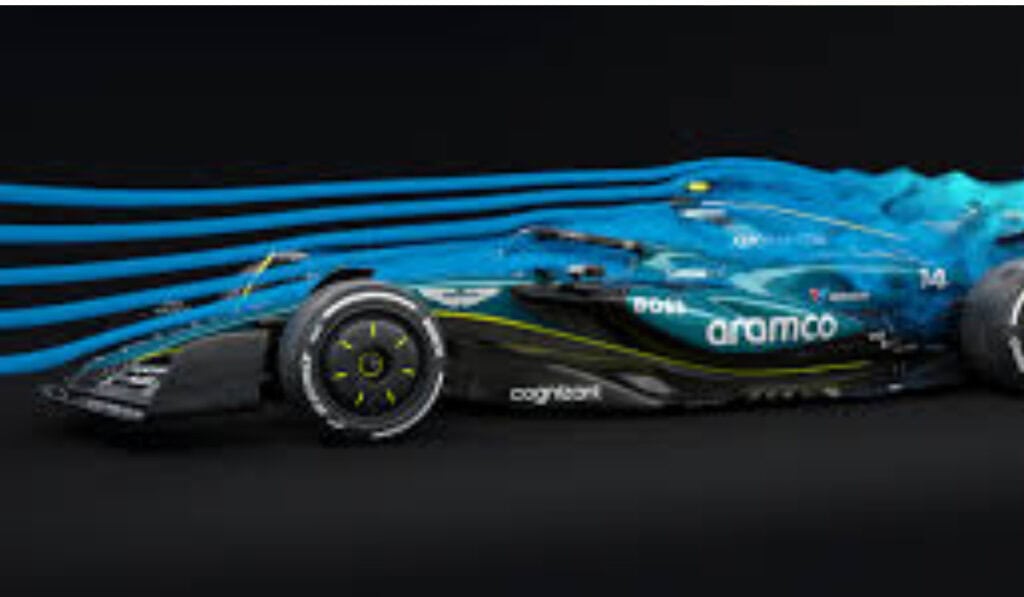
Aerodynamics determines how effectively an Formula 1 car interacts with the air at speeds exceeding 300 km/h. By controlling airflow over wings, sidepods, and the underfloor, engineers generate downforce that pushes the car toward the track surface. This additional grip allows drivers to take corners faster and with greater confidence. The Aerodynamics Edge becomes evident when aerodynamic design ensures that air flows smoothly across the car to avoid unnecessary drag. Teams that master this balance can produce cars that remain stable through high-speed corners while maintaining competitive straight-line speed, giving them a clear advantage during races.
Downforce vs Drag: Understanding the Core Trade-Off
- Downforce increases grip and cornering performance.
- Drag slows the car down on straights.
- Engineers constantly balance both forces for optimal lap time.
- Track characteristics influence aerodynamic setup choices.
The relationship between downforce and drag lies at the heart of Formula 1 aerodynamic design. Downforce pushes the car onto the track, allowing drivers to corner at extraordinary speeds without losing control. However, generating this force usually increases aerodynamic drag, which acts as resistance and reduces maximum speed on straights. Engineers must therefore find the optimal compromise for each circuit. High-downforce tracks reward cornering grip, while low-drag setups perform better on circuits with long straights. Achieving the perfect balance between these two forces is one of the most complex and crucial tasks in F1 car development, contributing to the sport’s enduring motorsport legacy.
Key Aerodynamic Components on an F1 Car
- The front wing controls how airflow enters the car’s aerodynamic system.
- The rear wing provides stability and generates significant downforce.
- The floor and diffuser manage airflow beneath the car.
- Smaller elements guide airflow around wheels and bodywork.
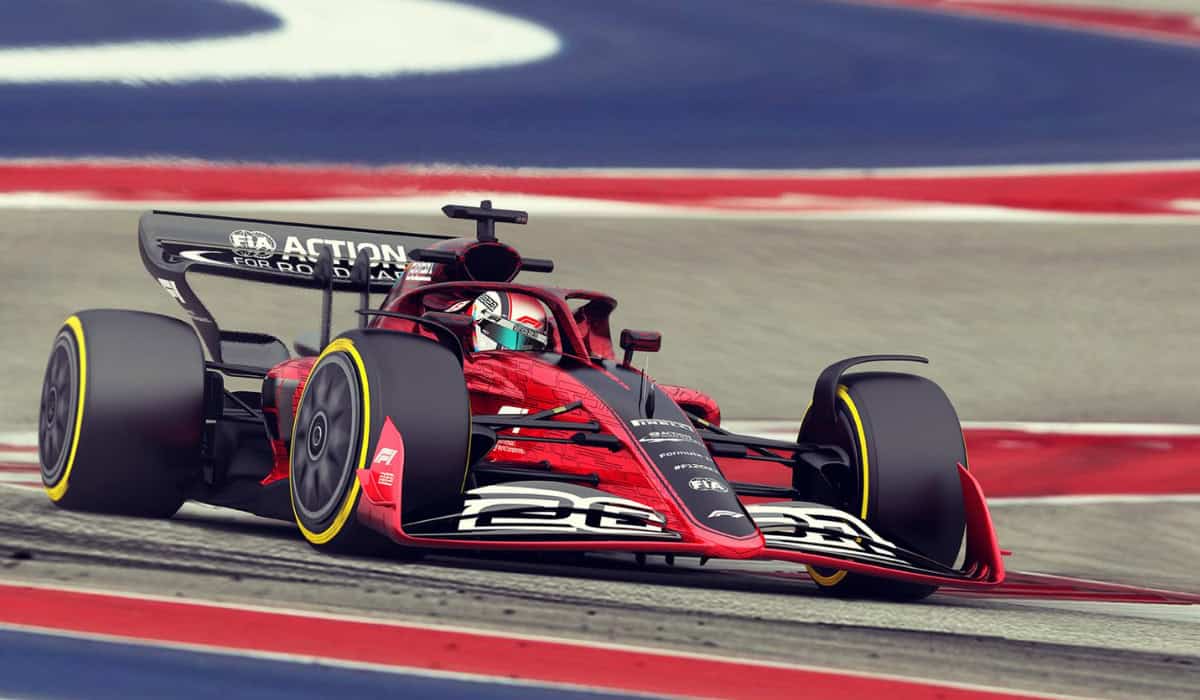
Several aerodynamic components work together to produce the performance of a modern Formula 1 car. The front wing is the first part of the car to interact with airflow, directing it toward other critical areas such as the floor and sidepods. Even drivers like Lewis Hamilton rely on these precise aerodynamic features to maximize grip and speed. The rear wing contributes heavily to stability and downforce at high speeds. Beneath the car, the floor and diffuser accelerate airflow to create a low-pressure area that pulls the car toward the ground. Smaller aerodynamic elements also play a role by guiding airflow around tires and reducing turbulence, ensuring that every part of the car contributes to overall aerodynamic efficiency.
The Return of Ground Effect in the Modern F1 Era
- Ground effect generates downforce through underfloor airflow.
- The 2022 regulations reintroduced this concept.
- Underbody aerodynamics now produce most of the car’s grip.
- Teams must manage ride height carefully.
Ground effect has become one of the most influential aerodynamic concepts in modern Formula 1. By shaping the underside of the car into aerodynamic tunnels, engineers accelerate airflow beneath the vehicle, creating a low-pressure zone that effectively pulls the car toward the track. This innovation directly impacts performance on race day, often determining who stands out as the F1 driver of the day. The FIA reintroduced this concept with the 2022 regulations to improve racing by reducing turbulent air behind cars. As a result, much of the car’s downforce now comes from the floor rather than complex wing structures. While this design improves racing conditions, it also requires teams to carefully control ride height and suspension settings to maintain optimal aerodynamic performance.
DRS Explained: The Drag Reduction System
- DRS reduces drag by opening a flap in the rear wing.
- It can only be used in specific zones during races.
- The system increases top speed for overtaking.
- Drivers use DRS strategically during races.
The Drag Reduction System, commonly known as DRS, was introduced to improve overtaking in Formula 1 by giving drivers more opportunities to pass competitors. When activated, the system opens a flap in the rear wing, reducing aerodynamic drag and allowing the car to achieve higher speeds on straights. Drivers can only use DRS in designated zones and when they are within one second of the car ahead during a race. This temporary reduction in drag can increase top speed significantly, giving drivers a better chance to overtake competitors. Although it remains a topic of debate among fans, DRS has become an essential part of modern race strategy.
How Teams Develop Aerodynamics: Wind Tunnels and CFD
- Wind tunnels test physical models in controlled airflow.
- CFD simulations analyze airflow digitally.
- Both methods complement each other during development.
- FIA rules limit testing time for fairness.
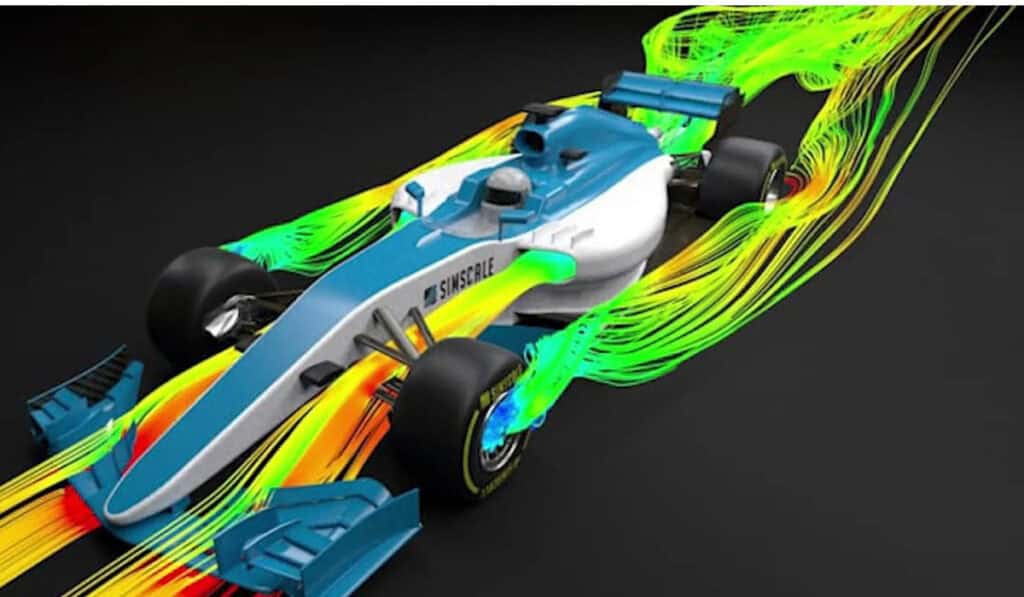
Developing effective aerodynamics requires advanced testing techniques. Wind tunnels allow engineers to observe airflow around scale models of Formula 1 cars in controlled conditions, revealing areas where air separates or turbulence occurs. At the same time, teams rely heavily on Computational Fluid Dynamics simulations to analyze airflow digitally using powerful supercomputers. These simulations allow engineers to test thousands of aerodynamic variations quickly and efficiently. By combining wind tunnel experiments with digital modeling, teams can refine designs and introduce upgrades that improve performance while staying within strict FIA testing regulations, a process that has helped make some of the most successful F1 teams in history.
Regulation Changes and Their Impact on Aero Design
- FIA rules frequently reshape aerodynamic design.
- Major regulation changes force teams to redesign cars.
- Creative engineering interpretations can deliver advantages.
- Adaptation speed often determines competitiveness.
Formula 1 regulations constantly evolve to maintain safety, competitive balance, and exciting racing. These rule changes often have a profound impact on aerodynamic design. When new regulations are introduced, teams must reinterpret them creatively to develop competitive cars. Some teams quickly identify innovative solutions within the rules and gain a temporary performance advantage. Others require more time to adapt their design philosophy. This continuous cycle of regulation changes and technical innovation keeps Formula 1 engineering dynamic and ensures that aerodynamic development remains a key battleground for performance, delivering exciting updates and thrilling moments for fans and teams alike.
Iconic Aerodynamic Innovations in Formula 1 History
- Early wings introduced downforce in the late 1960s.
- Ground-effect cars revolutionized the sport in the 1970s.
- Double diffusers created major advantages in 2009.
- Innovative designs often reshape competitive balance.
Throughout its history, Formula 1 has seen several groundbreaking aerodynamic innovations that changed the sport forever. In the late 1960s, engineers introduced wings to generate downforce, allowing cars to corner faster than ever before. Ground-effect technology later transformed aerodynamic design by generating massive downforce through the underbody of the car. More recently, concepts like the double diffuser demonstrated how creative interpretation of regulations can provide a significant competitive advantage. These innovations highlight how aerodynamic ingenuity continues to push the boundaries of performance in Formula 1.
The Future of Aerodynamics in Formula 1
- Advanced simulations will improve aerodynamic precision.
- Artificial intelligence may assist aerodynamic design.
- Sustainability could influence future car development.
- Regulations will continue shaping innovation.
The future of Formula 1 aerodynamics will likely combine advanced technology with evolving regulatory frameworks. Engineers are already using increasingly powerful simulations to analyze airflow in extraordinary detail. Artificial intelligence and machine learning may soon play a larger role in optimizing aerodynamic designs by identifying patterns in complex airflow data. Additionally, sustainability considerations could influence how aerodynamic components are manufactured and tested. Despite these changes, the core challenge of maximizing downforce while minimizing drag will remain central to Formula 1 engineering for decades to come, driving continuous technological innovations across the sport.
Key Takeaways: Why Aerodynamics Defines F1 Success
Aerodynamics is the foundation of performance in modern Formula 1 racing. Every wing, surface, and airflow channel contributes to how effectively a car accelerates, corners, and maintains stability at high speeds. Teams invest enormous resources into aerodynamic research because small improvements can produce measurable gains in lap time. By combining innovative engineering with advanced testing methods, successful teams create aerodynamic packages that maximize performance under constantly evolving regulations. Ultimately, mastering aerodynamics remains one of the most decisive factors in winning races and championships, a challenge closely studied by experts such as James Vowles.
(FAQs)
What is aerodynamics in Formula 1?
Aerodynamics in Formula 1 refers to the science of controlling airflow around a race car to improve speed, stability, and grip through carefully designed wings, bodywork, and underfloor components.
Why is downforce so important in F1 cars?
Downforce increases tire grip by pushing the car onto the track, allowing drivers to corner faster and maintain stability at high speeds without losing control.
How does ground effect improve performance?
Ground effect accelerates airflow beneath the car, creating a low-pressure zone that pulls the vehicle toward the track surface and generates efficient aerodynamic downforce.
What role does DRS play in overtaking?
DRS reduces drag by opening a flap in the rear wing, allowing cars to reach higher speeds on straights and making overtaking easier during races.
How do teams test aerodynamic designs?
Formula 1 teams test aerodynamic designs using wind tunnel experiments and computational fluid dynamics simulations to analyze airflow and refine car performance.