Experience Formula 1 speeds see the guide on top speed and acceleration secrets now
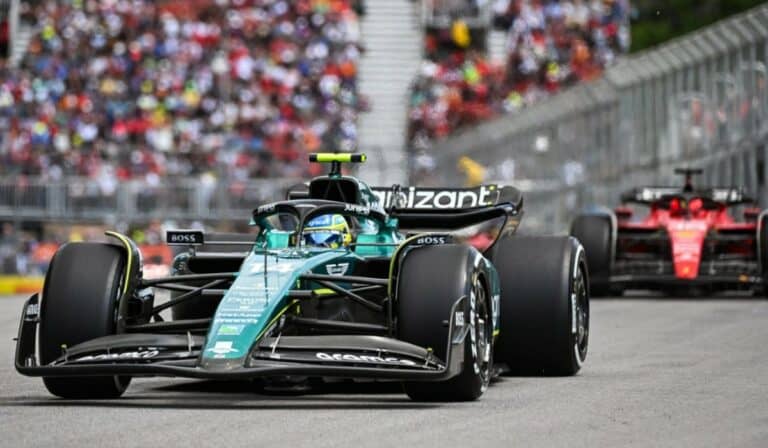
Formula 1 cars are often thought to be the fastest vehicles on the planet, but the truth is more nuanced. While top speed is impressive, F1 cars are engineered primarily for lap time efficiency, cornering, and braking precision rather than sheer straight-line speed. Factors like aerodynamics, tire grip, engine power, and track layout all dictate the ultimate velocity a car can achieve. This guide explores official top speeds, acceleration benchmarks, track differences, hybrid power integration, FIA limits, and historical records to reveal the realities behind the raw numbers. Fans and curious readers will understand why speed in F1 is a balance of physics, engineering, and strategy rather than just maximum kilometers per hour.
Introduction to Formula 1 Speed Myths vs Reality
Speed myths often exaggerate F1 cars as pure rockets, ignoring cornering and braking.
- Top speed is not the only performance metric
- Track design limits acceleration and speed
- Aerodynamics prioritize downforce over straight-line velocity
- Drivers balance speed with safety and tire management
While F1 cars can reach speeds exceeding 360 km/h, most races are won through precise handling and acceleration out of corners. The F1 driver of the day demonstrates that cornering efficiency, tire wear, and race strategy often dictate championship outcomes, rather than top speed alone.
Official Top Speed Numbers
Modern F1 cars can reach astonishing speeds on high-speed circuits.
- Current top speeds: around 360–375 km/h
- Speed varies depending on gear ratios and track layout
- High-speed tracks like Monza allow maximum velocity
- Straights are balanced by aerodynamic drag and downforce requirements
The official top-speed record in Formula 1 is approximately 372.5 km/h, achieved by Valtteri Bottas in 2016. However, most circuits restrict sustained top-speed runs due to corners, safety considerations, and FIA regulations. The most successful F1 teams excel at balancing power, drag, and grip to optimize performance across every track.
Acceleration: 0–100 km/h & 0–200 km/h
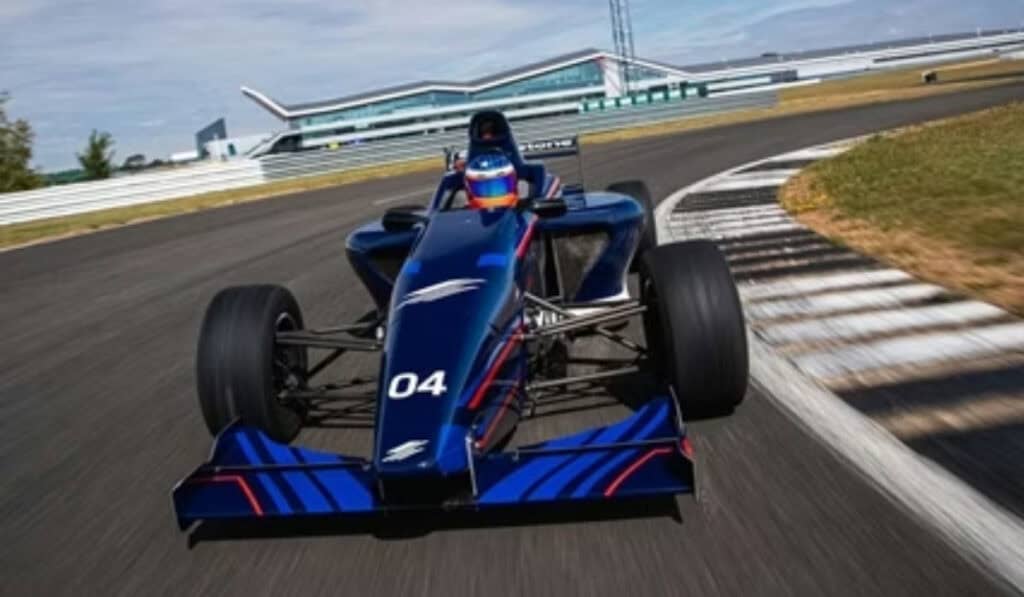
Acceleration defines F1 performance off the line and out of corners.
- 0–100 km/h in roughly 2.6 seconds
- 0–200 km/h in around 5 seconds
- Instant throttle response from hybrid power units
- Traction control and tire compound influence acceleration
F1 cars utilize turbo-hybrid engines producing 1000+ horsepower and instant torque, delivering exciting updates and thrilling moments on every lap. The combination of lightweight chassis, sticky tires, and ERS (Energy Recovery System) allows these astonishing acceleration rates, significantly outperforming conventional hypercars.
Speed Differences by Track (Monza vs Monaco)
Track design drastically affects achievable speeds.
- Monza: long straights, low downforce, speeds >350 km/h
- Monaco: tight corners, high downforce, speeds rarely exceed 280 km/h
- Track elevation changes influence acceleration
- Tire compounds are adjusted per circuit for optimal grip
Monza is nicknamed the “Temple of Speed” because cars can maximize straight-line performance, while Monaco emphasizes cornering and braking precision. These contrasts highlight why top speed alone does not decide races, something even Lewis Hamilton and Shakira illustrate in their respective fields.
Engine, ERS & Hybrid Power Explained
Modern F1 engines combine internal combustion with electrical energy recovery.
- 1.6-liter V6 turbocharged engines generate ~750 hp
- ERS adds ~160 hp temporarily during acceleration
- Hybrid systems recover kinetic and thermal energy
- Energy deployment is strategic for overtakes and defense
The combination of combustion and electric power gives F1 cars exceptional acceleration and efficiency, with ERS deployment tightly regulated, a challenge that Red Bull Racing handles expertly.
Aerodynamics vs Raw Speed
Aerodynamic design determines cornering performance more than straight-line speed.
- High downforce improves grip in corners
- Low drag is used for high-speed tracks
- Wing angles and floor design influence airflow
- Compromise between stability and maximum velocity
While top speed captures headlines, most lap time gains come from aerodynamics, where technological innovations enable faster cornering. Cars built purely for speed without downforce would struggle with tire wear and cornering stability, showing the strategic complexity of F1 engineering.
Speed Limits Imposed by FIA Rules
The FIA regulates maximum performance for safety and competition.
- Engine rev limits to control horsepower
- Restrictions on DRS and wing flex
- Tire compounds limit ultimate grip
- Fuel flow regulations cap power output
These regulations ensure competitive racing while protecting drivers. Teams must innovate within these constraints, balancing speed, reliability, and energy deployment to achieve optimal lap times.
Fastest F1 Cars in History
Historically, certain cars pushed the boundaries of speed records.
- Williams FW14B (1992) exploited active suspension for stability
- McLaren MP4/4 (1988) dominated with Honda turbo engines
- Mercedes W11 (2020) combined hybrid efficiency with high top speed
- Red Bull RB16B (2021) featured ground-effect floor innovation
Each era reflects technological advancements, from turbocharging to hybrid ERS systems. Comparing these cars shows how regulations and engineering breakthroughs influence ultimate speed potential, as seen at the F1 Las Vegas Grand Prix.
Why F1 Cars Aren’t Built for Top Speed Only
F1 cars prioritize lap time efficiency over sheer velocity.
- Cornering speed and braking are decisive for race performance
- Tires wear faster at higher speeds
- Fuel and energy management limit long-term top-speed runs
- Stability and safety are non-negotiable
Engineering trade-offs mean that while a car might hit 360 km/h on a straight, it could lose more time in corners than it gains, reinforcing that balanced performance is more important than absolute speed.
Energy Recovery and Strategic Speed
Energy recovery systems impact both acceleration and top-speed bursts.
- Kinetic energy from braking is stored and redeployed
- Thermal energy from the turbo adds extra power
- Deployment is timed for overtakes or defending positions
- Reduces reliance on traditional engine output alone
Managing energy recovery effectively allows teams to exploit short bursts of speed while preserving fuel and tires, underscoring the strategic aspect of modern F1 speed.
Tire Influence on Speed
Tire selection limits both top speed and cornering ability.
- Soft compounds offer maximum grip but degrade faster
- Hard compounds allow higher top speeds over longer stints
- Tire pressure and temperature affect traction
- Teams monitor real-time wear for optimal lap times
F1 tires are engineered for specific compounds and track conditions. Choosing the wrong tire can limit speed or force additional pit stops, demonstrating the critical interplay between tires and aerodynamic performance.

Conclusion
Formula 1 cars are marvels of engineering, balancing mind-blowing acceleration, extreme top speeds, and cornering efficiency. Fans often focus on headline velocities, but the sport is a masterclass in strategic performance, tire management, energy recovery, and aerodynamics. Each car is a symphony of mechanical and digital innovation, designed to maximize lap efficiency rather than sheer straight-line speed. Observing an F1 car reach 350+ km/h is exhilarating, but understanding the intricate systems enabling these feats provides a deeper appreciation for the blend of precision engineering and driver skill. Speed in F1 is as much about science as spectacle.
FAQ
What is the top speed of modern F1 cars?
Modern Formula 1 cars reach top speeds around 360–375 km/h, depending on track layout, engine configuration, aerodynamics, and tire selection.
How fast do F1 cars accelerate from 0–100 km/h?
F1 cars typically accelerate from 0–100 km/h in roughly 2.6 seconds, reaching 0–200 km/h in about 5 seconds thanks to hybrid engines and instant torque delivery, a performance illustrated on the F1 Las Vegas Track Map.
Why are F1 cars not built purely for top speed?
F1 cars prioritize lap time, cornering, braking, and tire management over raw straight-line speed because efficient performance wins races more than maximum velocity.
How does track layout affect speed?
Tracks like Monza favor high-speed straights, while Monaco forces lower average speeds due to tight corners, elevation changes, and heavy braking zones.
What role does ERS play in F1 speed?
Energy Recovery Systems (ERS) recover kinetic and thermal energy, providing temporary power boosts for acceleration and overtakes while reducing fuel consumption and balancing race strategy.