F1 Sprint: Results, Schedule, Points System & Rules
The Formula 1 Sprint race has quickly become one of the most exciting additions to the modern F1 calendar. Unlike traditional Grand Prix races, sprint races add a competitive edge to the weekend by offering extra points, changing strategies, and keeping fans on the edge of their seats. In this comprehensive guide, we’ll cover F1 sprint results, schedule, points system, winners, highlights, classification, rules, and everything you need to know to follow these fast-paced races.
What is an F1 Sprint Race?
An F1 Sprint, sometimes called a “sprint race,” is a short-format event that not only determines the starting grid for the main Grand Prix on Sunday but also provides fans with a quick burst of racing action. These races typically cover around 100 km and last roughly 25–30 minutes, making the F1 Sprint Time an exciting, fast-paced preview of the weekend ahead.
Difference Between F1 Sprint and Grand Prix
The main differences between a Sprint and a Grand Prix are:
- Distance: Sprint races are shorter, usually one-third of the full Grand Prix distance.
- Points: Points are awarded to the top finishers in the sprint, but fewer than the Grand Prix.
- Impact: The sprint sets the grid for Sunday’s main race, unlike a traditional qualifying session.
This makes the F1 sprint both a strategic tool and a competitive mini-race, adding excitement to the entire weekend.
F1 Sprint Weekend Format
A typical F1 Sprint weekend usually follows this schedule:
- Friday: First Practice + Qualifying
- Saturday: Second Practice + F1 Sprint Race
- Sunday: Grand Prix
Qualifying on Friday determines the starting grid for the Sprint race, and the results of the sprint then set the grid for the Sunday Grand Prix. This format adds extra excitement, creating dynamic racing and multiple opportunities for drivers to earn points throughout the weekend. Ahead of the season, F1 pre-season testing 2024 gave teams crucial data to fine-tune their cars for both qualifying and sprint races.
F1 Sprint Schedule 2026
The F1 Sprint schedule varies each season, with selected events on the calendar featuring the sprint format. In 2026, fans can look forward to sprint races at iconic circuits such as Silverstone, Monza, Interlagos, and Suzuka. For the latest updates on team line-ups, car developments, and strategies, following Formula One Team News is essential to stay ahead of the action.
Key Dates & Tracks
Some of the sprint weekends in 2026 include:
- Silverstone (UK): Early July
- Monza (Italy): Late September
- Suzuka (Japan): Mid-October
- Interlagos (Brazil): November
These events often feature added fan engagement, such as pit-lane walks and autograph sessions, as the sprint format creates more action-packed race weekends.
How Sprint Fits into the Race Weekend
Sprint races are designed to complement the Grand Prix:
- Friday: Qualifying sets the grid for the sprint.
- Saturday: Sprint race awards points and sets Sunday’s grid.
- Sunday: Full Grand Prix, with more points and championship implications.
This structure keeps fans engaged throughout the weekend and allows teams to showcase strategy and adaptability.
F1 Sprint Points System Explained
The points system for sprint races differs from the main Grand Prix but still rewards drivers who perform well.
Points Allocation for Sprint Results
In the current F1 sprint format, points are awarded to the top finishers as follows:
| Position | Points |
|---|---|
| 1st | 8 |
| 2nd | 7 |
| 3rd | 6 |
| 4th | 5 |
| 5th | 4 |
| 6th | 3 |
| 7th | 2 |
| 8th | 1 |
These points contribute to both the Drivers’ Championship and the Constructors’ Championship, making sprint races a vital part of the title fight.
Impact on Championship Standings
Even though sprint points are fewer than those of the Grand Prix, consistent performance in sprints can make the difference in a tight championship race. Teams use sprints to test strategies, pit stop efficiency, and tire management under race conditions.
F1 Sprint Race Results & Classification
Understanding F1 sprint race results requires knowing both the winner and the full classification, as every position can impact the overall championship.
Latest Sprint Race Winners
In recent seasons, sprint races have showcased thrilling battles. For example:
- 2025 Silverstone Sprint: Max Verstappen dominated the top spot, followed by Lewis Hamilton and Charles Leclerc.
- 2025 Monza Sprint: Carlos Sainz secured his first sprint win, highlighting Ferrari’s speed on high-downforce tracks.
Full Classification & Leaderboard
Sprint classification lists all finishers, including any drivers who did not finish (DNF). Leaderboards are updated in real-time and provide fans with standings for both drivers and constructors.
How to Read F1 Sprint Results
- Position: Finishing order of the race.
- Driver & Team: Who drove the car and for which team.
- Time/Gaps: Time difference from the leader.
- Points: Sprint points awarded based on position.
- Notes: Penalties, retirements, or incidents affecting results.
F1 Sprint Highlights & Coverage
Sprint races are often packed with excitement despite their shorter length.
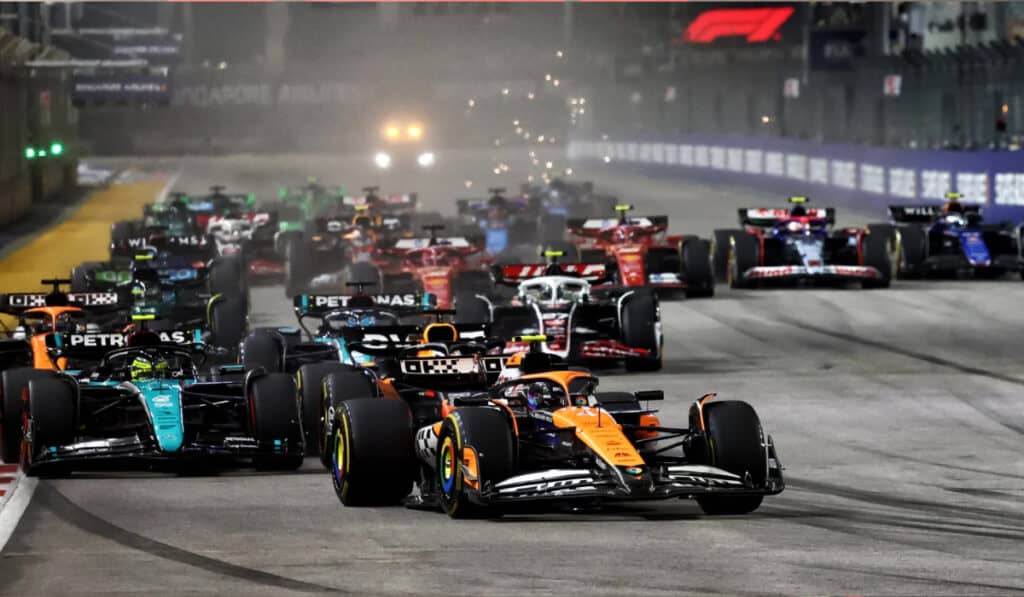
Key Moments from Recent Sprints
- Overtakes during the first few laps are crucial due to the shorter race distance.
- Strategic tire choices can lead to big gains, especially in changing weather conditions.
- Safety car periods can drastically affect race outcomes.
Top Overtakes and Strategies
Drivers often push hard in the sprint, making overtakes spectacular and risky. Teams experiment with aggressive strategies, which sometimes pay off in both the sprint and the main Grand Prix.
Rules and Regulations of F1 Sprint
Sprint races follow F1 regulations but with specific differences.
Eligibility & Race Procedures
- All drivers who qualify for the weekend are eligible.
- Sprint grids are determined by Friday qualifying results.
- Race distance is shorter, and mandatory pit stops may not be required unless tire changes are necessary.
Pit Stops, Tyres & Penalties
- Teams may adjust tire strategies for sprints differently from Sunday races.
- Penalties for jump starts, track limits, or collisions still apply.
- Sprint races are often intense, with a focus on clean, fast racing.
F1 Sprint Time & Leaderboard Updates
Timing is crucial in sprint races, as gaps are often smaller.
How Sprint Times Are Recorded
- Lap Time: Each lap is timed to the thousandth of a second.
- Sector Times: Split times track performance in different parts of the circuit.
- Fastest Lap: May earn extra recognition, though not always points.
Real-Time Leaderboard Tracking
Fans can follow sprints through:
- Official F1 live timing apps
- TV coverage with updated leaderboards
- Online platforms and social media updates
This ensures that followers are aware of shifts in position, strategy, and performance throughout the weekend.
FAQs About F1 Sprint Races
How are F1 Sprint winners determined?
Winners are determined by who crosses the finish line first after completing the sprint race distance, with points awarded accordingly.
How does the sprint race affect the Grand Prix?
Sprint results set the starting grid for Sunday’s Grand Prix, influencing team strategies and championship outcomes.
How many points does the sprint winner get?
The winner earns 8 points, with points awarded down to 8th place.
Are pit stops mandatory in sprints?
Usually not, unless tire changes are required due to damage or weather conditions.