Formula 1 Aerodynamics: How Downforce Shapes Winning Cars
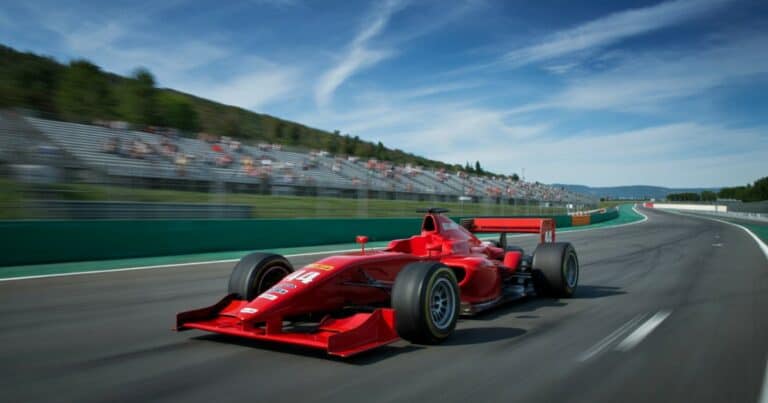
Aerodynamics is the invisible force that separates winning Formula 1 cars from the rest of the grid. From the sleek front wing to the intricately sculpted floor, every component is designed to control airflow, maximize downforce, and minimize drag. Understanding how aerodynamics shapes F1 performance helps fans, engineers, and enthusiasts appreciate the complexity behind seemingly effortless speed. This guide explores the core principles of F1 aerodynamics, including downforce vs drag, the role of wings and the floor, the resurgence of ground effect, and cutting-edge techniques like DRS, wind tunnel testing, and CFD simulations. By the end, you’ll have a comprehensive understanding of why aerodynamics is not just about speed but about stability, control, and innovation in modern Formula 1.
Why Aerodynamics is the Heart of F1 Performance
Aerodynamics dictates every aspect of a car’s performance. Efficient airflow improves cornering, boosts straight-line speed, and stabilizes the car under braking.
- Proper airflow ensures maximum tire grip and predictable handling through corners.
- Balancing aerodynamic forces helps avoid understeer or oversteer during high-speed turns.
- Engineers fine-tune bodywork to maintain stability in varying wind and track conditions.
A well-optimized car can gain tenths of a second per lap purely through aerodynamic efficiency. Teams continuously analyze airflow patterns to find the optimal compromise between speed and stability, making aero one of the most critical factors in race outcomes and contributing to the sport’s enduring motorsport legacy.
Understanding Downforce vs Drag
Downforce and drag are opposing forces that teams must carefully manage.
- Downforce pushes the car onto the track, improving grip for corners.
- Drag slows the car on straights, affecting top speed.
- Engineers aim to achieve maximum downforce without creating excessive drag that limits acceleration.
Finding the ideal balance requires complex simulations and iterative testing. Too much downforce can trap the car in a high-drag state, while too little compromises cornering performance, a challenge that top drivers like Lewis Hamilton manage exceptionally well. F1 cars are engineered to excel under this delicate trade-off.
Key Components: Front Wing, Rear Wing, and Floor
Each aerodynamic component plays a unique role in airflow management.
- The front wing directs airflow around the tires and under the car to maximize efficiency.
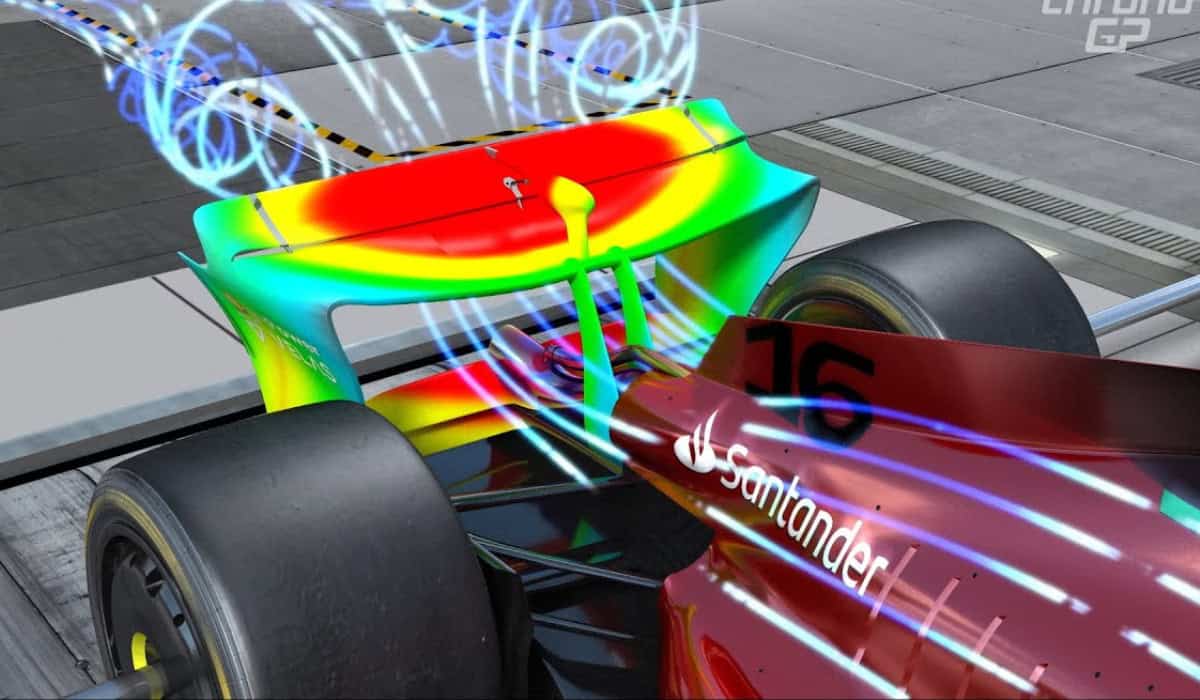
- The rear wing provides stability and contributes significantly to overall downforce.
- The floor and venturi tunnels generate ground effect, creating suction that presses the car onto the track.
Designing these parts requires precise engineering. Teams iterate wing profiles and floor contours, often in combination with CFD and wind tunnel tests, to enhance both performance and balance, showcasing moments that can earn a driver recognition as F1 driver of the day.
The Ground Effect Era and Its Comeback
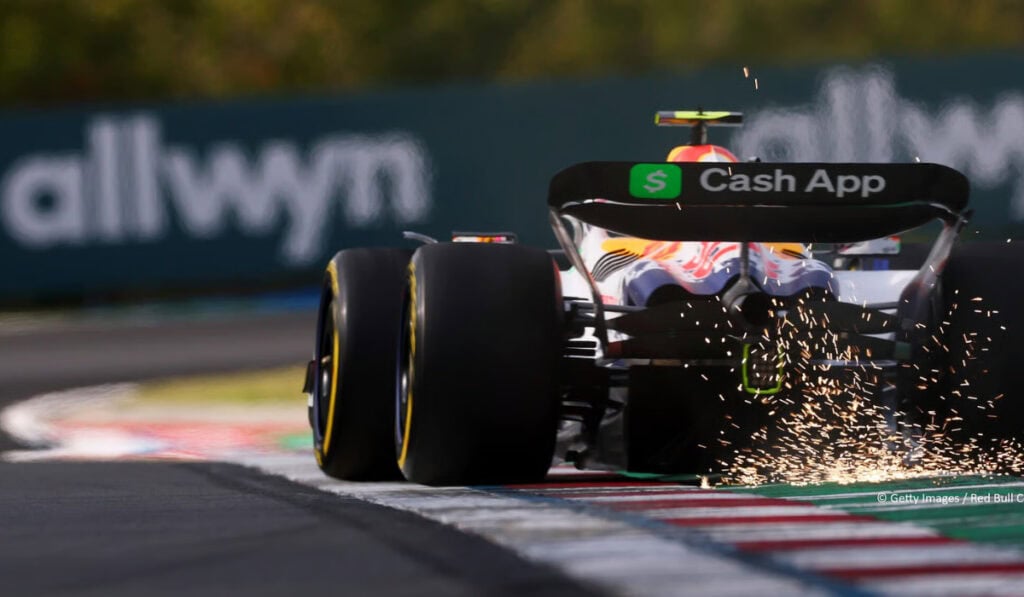
Ground effect revolutionized F1 in the late 1970s and has returned under modern regulations.
- By shaping the floor and tunnels, teams create a low-pressure area under the car.
- This suction increases cornering grip without relying on massive wings.
- Safety measures now regulate the extent of ground effect to prevent excessive loads on drivers.
Modern F1 cars use controlled ground effect to achieve higher lateral speeds and improve tire efficiency, creating a blend of old-school innovation and contemporary engineering admired by the top 5 F1 drivers, who exploit these advances to push performance to the limit.
The DRS System: Drag Reduction on Demand
DRS is a strategic tool to reduce drag and facilitate overtaking.
- It temporarily flattens the rear wing to decrease air resistance.
- Drivers can activate DRS in designated zones during the race.
- Effective use of DRS can significantly improve straight-line speed and passing opportunities.
Teams design rear wings to work harmoniously with DRS while maintaining stability at all times. Its interplay with overall downforce is crucial for overtaking in Formula 1, influencing race strategy and driver decisions throughout the event.
How Teams Test Aerodynamics: Wind Tunnel & CFD
Aerodynamic development relies on simulation and physical testing.
- Wind tunnels measure airflow over 1:2 scale models, providing tangible data.
- CFD simulations allow virtual testing of airflow and downforce on full-scale digital models.
- Teams use a combination of both methods to refine wing shapes, floor designs, and bodywork.
The iterative process ensures that cars perform consistently on various tracks and conditions, giving engineers insight into micro-adjustments that can produce critical lap-time gains.
The Impact of Regulation Changes on Aero
Rule changes force teams to adapt their aerodynamic philosophy.
- Limiting wing size or altering floor dimensions can drastically change downforce.
- Teams must comply with safety and budget caps while remaining competitive.
- Understanding the nuances of regulations is crucial for innovation and avoiding penalties.
Regulatory shifts often lead to periods of experimentation where teams explore creative solutions to maximize performance within legal constraints, a process often mastered by the most successful F1 teams.
Famous Aerodynamic Innovations in F1 History
F1 is full of legendary innovations that redefined the sport.
- Lotus pioneered ground effect cars in the late 1970s.
- Active suspension and flexible wings pushed downforce limits in the 1990s.
- Modern blow‑diffuser and bargeboard designs influence current vehicle airflow strategies.
Studying past innovations helps engineers and fans understand why some designs were revolutionary and how they influenced modern aerodynamics.
The Future of Formula 1 Aerodynamics
The next decade promises exciting developments.
- Advanced computational techniques will optimize airflow with even greater precision.
- Sustainable materials may reduce weight while enhancing aerodynamic efficiency.
- Rule changes will continue to encourage cleaner airflow and safer designs.
As regulations evolve, engineers must balance innovation with predictability at the F1 Las Vegas Grand Prix to ensure competitive racing while maintaining performance and safety.
Conclusion
Aerodynamics is the backbone of Formula 1 performance, combining science, strategy, and creativity. From front and rear wings to ground effect and DRS, each component shapes speed, stability, and overtaking possibilities. A deep understanding of airflow management, testing methods, and historical breakthroughs allows fans to appreciate the complexity behind every lap, bringing exciting updates and thrilling moments. Looking ahead, F1 aerodynamics will continue to innovate, blending sustainability with cutting-edge technology, making it central to championship-winning cars.
FAQs
What is the difference between downforce and drag?
Downforce increases grip by pressing the car onto the track, improving cornering, while drag slows the car on straights. Engineers aim to balance both for optimal lap times, as shown in the F1 Las Vegas Track Map.
How does ground effect improve cornering?
Ground effect creates low pressure beneath the car, effectively sucking it to the track. This increases lateral grip and allows higher speeds through corners without additional wing-generated downforce.
Why do teams use wind tunnels and CFD simulations?
Wind tunnels provide physical airflow data, and CFD allows virtual modeling of the car. Using both ensures engineers can fine-tune aerodynamics for speed, stability, and consistency across tracks.
How do DRS and aerodynamic devices interact during races?
DRS reduces rear wing drag in specific zones, complementing downforce management. Teams design wings to maintain stability while maximizing overtaking potential without compromising cornering performance.
What are some of the most influential aero innovations in F1?
Ground effect cars, active suspension, flexible wings, and modern blow diffusers have all reshaped F1. Each innovation increased speed, improved tire efficiency, or revolutionized airflow management.