Formula 1 introduction – check out the guide on the rules, format, and current teams yourself.
Formula 1, often abbreviated as F1, is the pinnacle of motorsport, combining cutting-edge technology, elite drivers, and high-speed racing on circuits across the globe. For newcomers, the sport can seem complex, with its unique terminology, intricate race formats, and intense competition. This guide will serve as a complete Formula 1 introduction, covering its history, teams and drivers, cars and technology, race formats, championships, and what makes it one of the most watched sports worldwide. Whether you are curious about why fans cheer for particular teams or want to start following races and championships, this guide provides everything new fans need to know to get started. By understanding the basics and the thrill behind the sport, you can join the global F1 community with confidence.
What is Formula 1
Formula 1 is the highest class of single-seater auto racing, sanctioned by the FIA.
- Top-level motorsport globally recognized
- Races take place on circuits and street tracks
- Combines speed, strategy, and driver skill
- Teams compete for Constructors’ and Drivers’ Championships
Formula 1 is not just about speed; it also involves intricate strategy, including tire management, pit stops, and fuel usage. The blend of high-speed racing, team tactics, and cutting-edge technology makes F1 unique among motorsports. Fans are captivated by the adrenaline, intense rivalries, and the spectacle of precision racing on global circuits, all of which contribute to the enduring motorsport legacy.

History of F1
F1 has evolved over decades into a global sport.
- Originated in 1950 with the first World Championship
- Evolved through technological innovations
- Legendary races and circuits emerged over time
- Historical rivalries shaped the sport’s culture
The sport began with fewer teams and simpler cars but has grown into a sophisticated international competition. Innovations in aerodynamics, engines, and safety standards have continuously transformed Formula 1, and each race highlights exceptional talent through the recognition of the F1 driver of the day. Legendary drivers like Juan Manuel Fangio, Ayrton Senna, and Michael Schumacher have left lasting legacies that define the sport’s history.
Teams & Drivers Overview
Teams and drivers form the backbone of F1.
- Top teams include Mercedes, Red Bull, Ferrari, McLaren
- Each team fields two drivers per season
- Driver lineups change based on performance and contracts
- New talents emerge alongside seasoned champions
F1 teams invest millions in research and development to build competitive cars. Drivers are chosen for their skill, consistency, and ability to collaborate with engineers to maximize performance. Fans often follow particular drivers or teams, creating strong loyalties and rivalries that make each season thrilling, especially when tracking the most successful F1 teams in history.
Cars & Technology Basics
F1 cars are engineering marvels designed for speed and precision.
- Open-wheel, single-seater design
- Hybrid power units combining internal combustion and electric motors
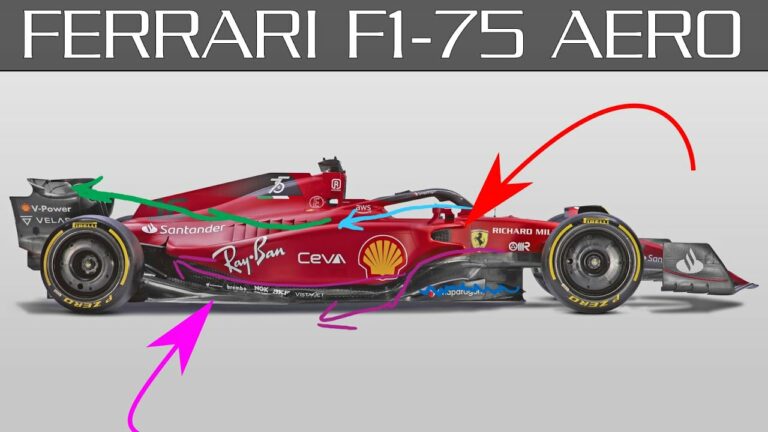
- Advanced aerodynamics with wings and diffusers
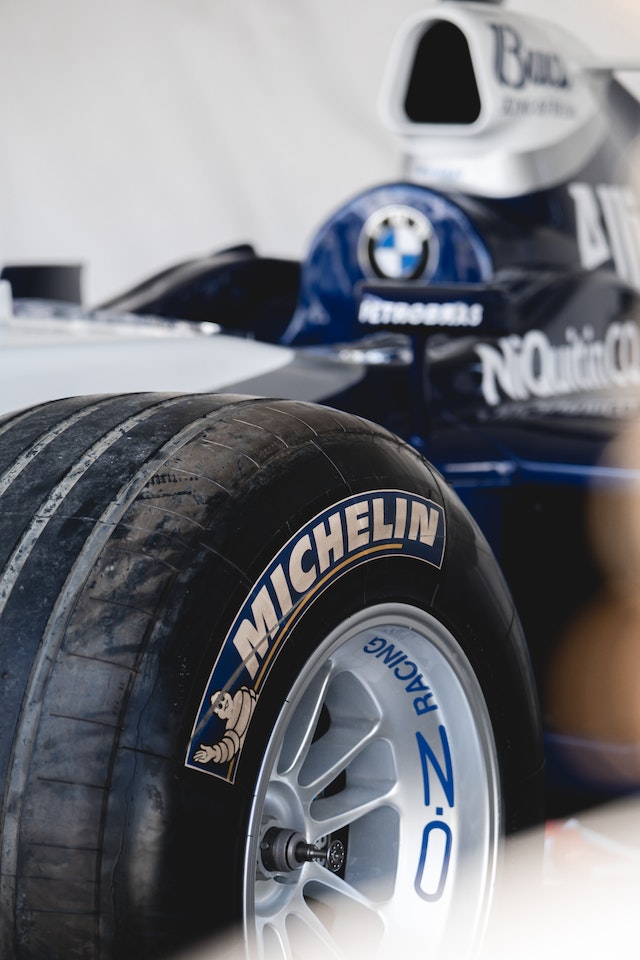
- State-of-the-art tires for varying conditions
F1 cars can reach speeds of over 350 km/h while generating immense downforce to maintain grip in corners. Teams rely on real-time telemetry to monitor performance and make in-race adjustments. Innovations in materials, engine efficiency, and safety have pushed the limits of automotive technology, making F1 cars some of the most sophisticated machines in the world, delivering exciting updates and thrilling moments for fans every race.
Race Formats Explained
F1 races follow a structured format each weekend.
- Practice sessions allow teams to fine-tune setups
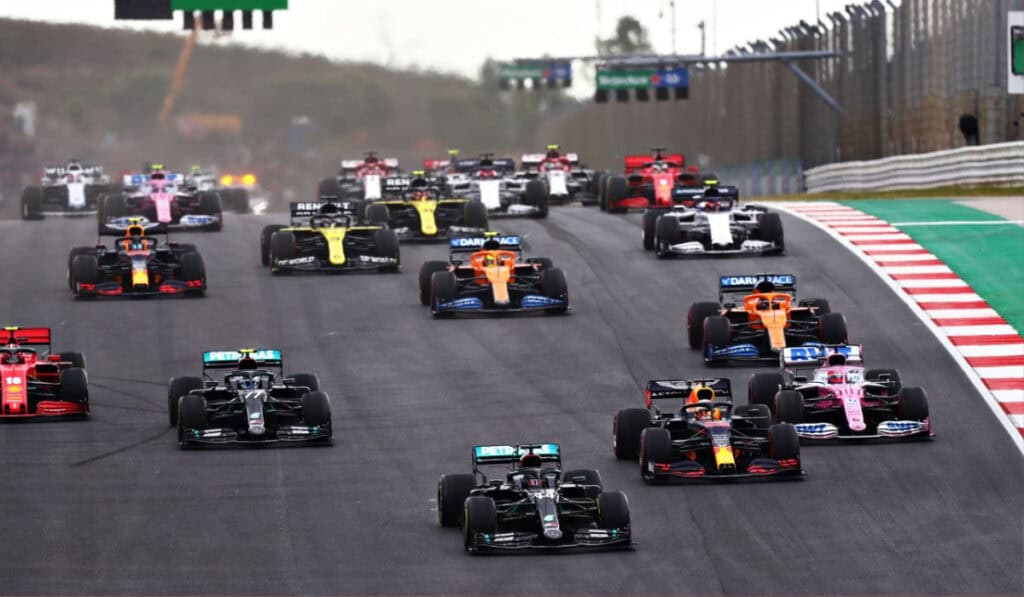
- Qualifying determines the starting grid for the race
- Races usually last around 305 km or 2 hours
- Points are awarded to top finishers for championship standings
Race weekends involve careful strategy planning for tire usage, fuel load, and pit stops. Certain circuits, like Monaco, demand unique tactics due to narrow streets and tight corners. Understanding the weekend structure helps new fans follow the action and appreciate the tactical depth beyond just speed. High-profile figures such as Lewis Hamilton and Shakira also bring extra attention and excitement to the sport, highlighting its global appeal.
Championships Explained
Two main championships exist in F1:
- Drivers’ Championship for individual driver performance
- Constructors’ Championship for team performance
- Points accumulate across the season’s races
- Winning both is considered the pinnacle of success
Points are awarded based on finishing positions, and teams work closely with drivers to maximize points. Championship battles can last the entire season, with rivalries creating dramatic finales. Both championships showcase skill, engineering, and consistency, rewarding the best combination of driver talent and team innovation.
Famous Drivers & Teams
Some drivers and teams are iconic in F1 history.
- Michael Schumacher and Lewis Hamilton: record-breaking champions
- Ayrton Senna: legendary for skill and speed
- Ferrari: the most successful team historically
- Red Bull Racing: modern powerhouse in innovation
Famous drivers inspire passionate fan followings and boost the sport’s global appeal. Legendary moments, such as Senna’s Monaco victories or Hamilton’s record-equalling seasons, showcase the combination of talent, courage, and engineering excellence that defines F1. Teams and drivers create stories that fans follow eagerly each season, and merchandise like a Ferrari Jacket lets supporters show their allegiance both on and off the track.
Why F1 is Globally Popular
Formula 1 captivates millions around the world for several reasons.
- High-speed racing with constant overtaking and strategy
- Technological innovation and engineering marvels
- Global circuits in iconic cities and countries
- Intense rivalries and personal stories of drivers
The spectacle of F1 combines drama, athletic skill, and science. Fans watch not only for the races but for the behind-the-scenes strategy, car development, and team rivalries. Its global popularity is fueled by media coverage, streaming platforms, and international fan communities.
How to Start Watching F1
Starting as a new F1 fan is simple with the right approach.
- Follow races on TV or streaming platforms
- Learn key drivers, teams, and circuits
- Watch qualifying sessions to understand strategy
- Engage with F1 news, podcasts, and social media
New fans should focus on learning the points system, race strategies, and car performance to fully appreciate the sport. Attending a Grand Prix or watching highlights can make the experience even more immersive. By gradually building knowledge, newcomers can enjoy the drama and excitement like seasoned fans, while also gaining an appreciation for the technological innovations that make Formula 1 so advanced.
Conclusion
Formula 1 is an extraordinary mix of speed, strategy, and global spectacle. New fans entering the F1 world can quickly appreciate the engineering marvels, the skill of the drivers, and the excitement of race weekends. Understanding the basics—cars, teams, race formats, and championship points—enhances the experience. Following F1 isn’t just about watching races; it’s also about learning the nuances of tire strategies, pit stops, and technological innovations that influence outcomes. Engaging with F1 communities, news, and race analyses helps newcomers feel part of the thrilling global F1 culture. Major events, such as the F1 Las Vegas Grand Prix, showcase the sport at its most spectacular, combining high-speed action with unforgettable moments.
FAQ
What is Formula 1?
Formula 1 is the premier class of international single-seater auto racing, featuring high-speed cars, elite drivers, and cutting-edge technology on circuits worldwide.
How do F1 races work?
F1 races involve practice sessions, qualifying for grid positions, and the main race where drivers compete over points-based positions, including strategy, pit stops, and tire management.
Who are the most famous drivers?
Legendary drivers include Michael Schumacher, Ayrton Senna, Lewis Hamilton, and Fernando Alonso, each known for skill, speed, and championship achievements that shaped F1 history.
How do I start watching Formula 1?
Begin by following live races or streams, learning driver names and teams, understanding the points system, and watching highlights to appreciate strategies and car performance.
Why is F1 so popular worldwide?
F1’s popularity comes from thrilling high-speed racing, global circuits, technological innovation, driver rivalries, and engaging stories that appeal to both casual and hardcore fans.