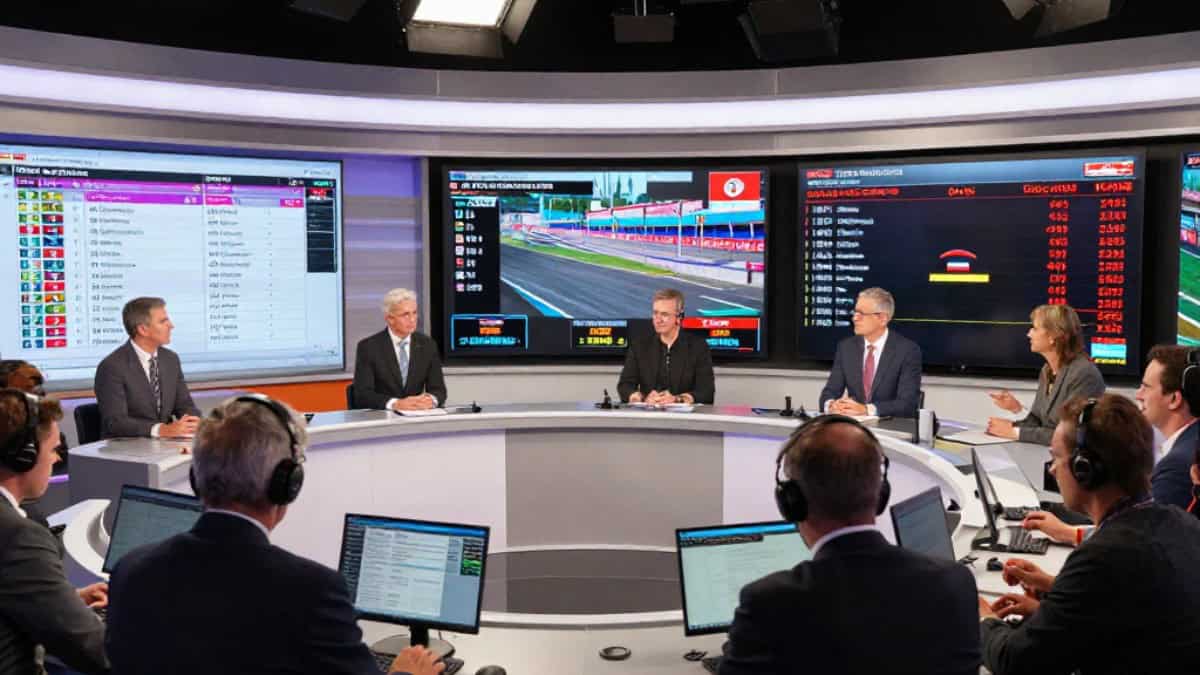
Formula 1 presenters full guide discover all the famous faces and racing experts
Formula 1 is one of the most-watched sports events globally, and the presenters and commentators who deliver race coverage play a crucial role in shaping the fan experience. Whether you’re tuning in to Sky Sports F1, F1 TV, or an international broadcast, the voices, personalities, and expert insights brought by presenters and commentators make every Grand Prix weekend exciting, informative, and memorable. These professionals do far more than describe the action on track — they interpret strategy, explain complex technical rules, share insider perspectives, and connect audiences with drivers and teams. For fans who follow every lap, every pit stop, and every dramatic shift in momentum, the broadcasting team is an essential part of the Formula 1 experience. In this comprehensive guide, we’ll explore how F1 broadcasting works, highlight major presenting teams, look at former drivers turned commentators, explain regional differences, uncover behind-the-scenes roles, celebrate fan-favourite voices, and reveal how commentators shape our perception of races.
Sky Sports F1 Presenters
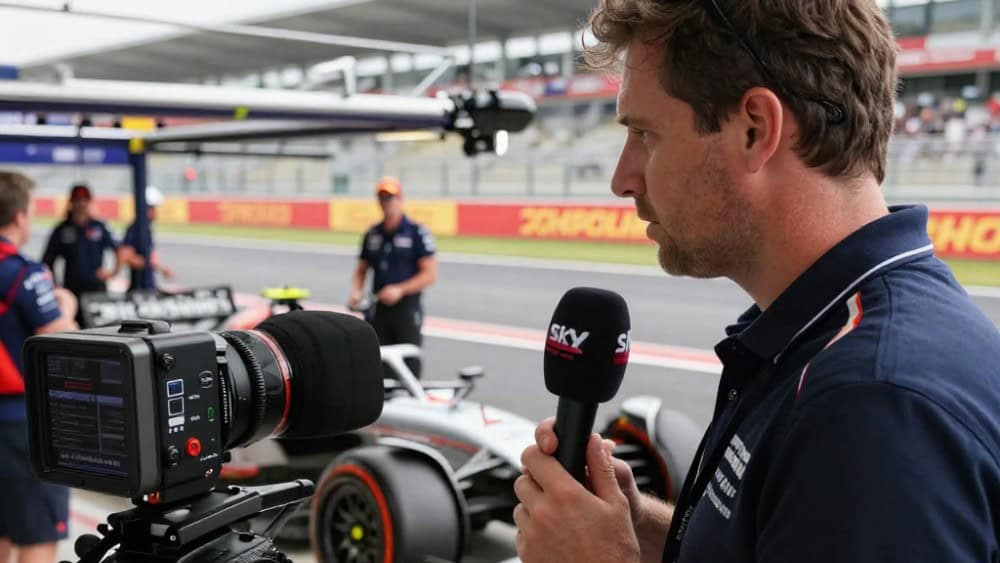
Sky Sports F1 is arguably the most high-profile broadcaster in the UK and has become synonymous with elite F1 coverage. The team at Sky includes flagship hosts, expert commentators, pit-lane reporters, and studio analysts who work together throughout the season.
- Lead Presenters: These anchors guide the broadcast from start to finish — setting up pre-race build-up, navigating interviews, and leading post-race analysis. Their familiarity and consistency help create a sense of continuity across the season.
- Commentary Experts: Sky’s commentary team calls races live, offering real-time insights into overtakes, crashes, strategy calls, and technical developments. Their experience with historical races and knowledge of F1 lore adds depth to every broadcast.
- Pit-Lane Reporters: Positioned trackside, these reporters deliver instant updates on tire choices, pit stop execution, team strategies, and reactions from engineers and drivers. They bring fans closer to the action than ever before.
- Technical Panel: Sky often features former drivers, engineers, or technical analysts who explain how aerodynamic changes, suspension updates, or power unit modes impact car performance.
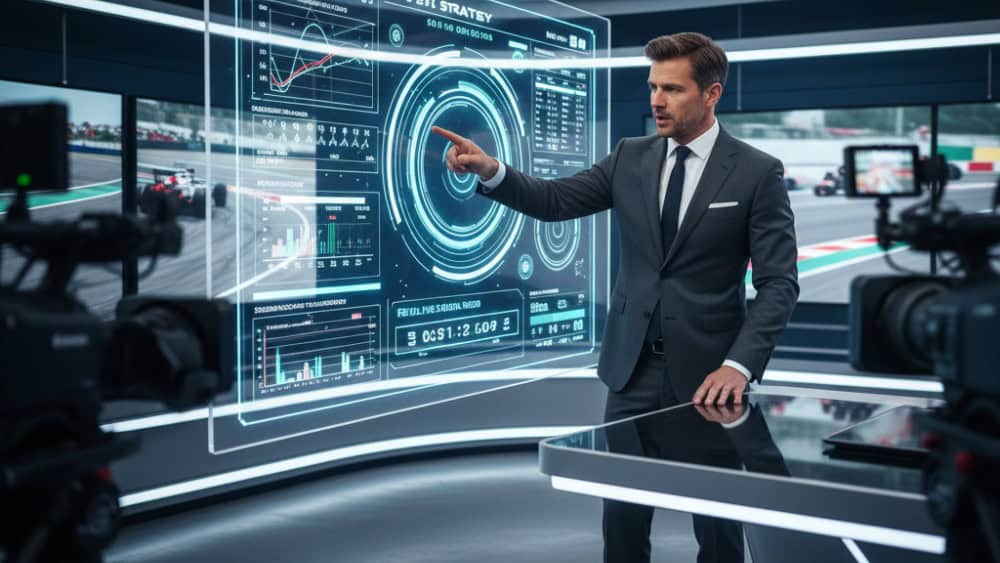
- Studio Hosts: In addition to live race commentary, studio hosts break down race weekend elements in detail, often with graphic simulations and strategy boards that help fans understand tactical decisions.
Sky Sports F1 is known for pushing technical literacy in its coverage, often using advanced telemetry, predictive graphics, and expert explanation to give viewers more than just running commentary. The familiarity of the Sky F1 Presenters, combined with their analytical approach, has made Sky the go-to broadcast for dedicated F1 fans in the UK and beyond.
F1 TV Commentary Team
Formula 1’s own streaming service, F1 TV, offers alternative commentary teams and custom feeds designed for a global audience. F1 TV Pro, in particular, allows viewers to choose different languages and, at times, alternative commentators, giving fans greater control over their viewing experience and a clearer understanding of the Formula 1 rules, along with access to real-time updates and thrilling moments throughout the race weekend.
The F1 TV commentary structure typically includes:
- Multilingual Options: Commentary is available in multiple languages, allowing fans from around the world to enjoy the broadcast in their preferred tongue. This global reach differentiates F1 TV from regional broadcasters.
- Lead Commentators: These professionals provide play-by-play narration of each lap, capturing the ebb and flow of the race with excitement and clarity. Their delivery ensures that even new viewers can follow key moments with ease.
- Expert Analysts: F1 TV frequently brings in engineers, former drivers, or seasoned motorsport journalists to offer in-depth analysis. These analysts help break down complicated race scenarios, such as tire degradation, fuel strategy, and performance balancing within the field.
- Interactive Features: F1 TV often includes features that allow fans to engage beyond the standard broadcast — showing live timing boards, driver radio communications, onboard cameras, and more. This creates an immersive and highly customizable viewing experience.
- Pre‑ and Post‑Race Shows: F1 TV coverage extends beyond live race commentary to include dedicated shows that recap previous races, preview upcoming challenges, and interview key figures in the paddock.
F1 TV’s approach celebrates the international reach of the sport while also offering niche content for fans who want more detail, deeper technical insight, and a closer look at the most successful F1 teams.
Former Drivers Turned Commentators
One of the most compelling trends in Formula 1 broadcasting is the inclusion of former drivers in commentator and analyst roles. These individuals bring firsthand experience of racing at the highest level, and their insights often unlock a deeper understanding of strategy, driver psychology, and crucial moments on track, such as the F1 Overtaking Rules.
- Technical Knowledge: Former drivers understand the intricacies of car behavior at different circuits, tire management, and the mental challenges of racing under pressure. Their commentary often includes nuanced explanations that only someone who has been in the cockpit can provide.
- Inside Stories: Personal experience with teams and race strategy allows former drivers to share context that elevates the broadcast. Anecdotes from their careers, comparisons to current drivers, and behind‑the‑scenes observations enrich the narrative.
- Tactical Analysis: When a team makes a bold strategy call — such as an early pit stop or switching tire compounds — former drivers often explain the thinking behind it, helping viewers appreciate the complexity of decisions made in real time.
- Credibility: Viewers often trust former racers because they’ve lived the sport. Their critiques and praise carry weight, and their presence elevates the professionalism of the broadcast team.
- Examples: Commentators like David Coulthard, Martin Brundle, Jenson Button, and Karun Chandhok have become household names in F1 broadcasting, each bringing a unique voice and perspective.
This blend of experience and analysis enriches race commentary and allows fans to hear from individuals who have sat in the very seats that current drivers occupy, particularly during high-profile events like the F1 Las Vegas Grand Prix.
Differences Between UK, US & Global Feeds
Formula 1 broadcasting is not uniform; it varies significantly across regions, reflecting cultural preferences, audience expectations, and network philosophies:
- UK (Sky F1): Known for technical depth, detailed analysis, and comprehensive studio coverage. UK broadcasts often feature extended pre-race shows, strategic breakdowns, and highly detailed commentary. The team’s priority is deep insight for dedicated fans.
- US (ESPN / F1 TV US): US audiences often experience a broadcast that emphasizes storytelling, driver personalities, and broader explanations of race mechanics. The aim is to appeal to both hardcore fans and casual viewers who may be newer to the sport.
- Global Feeds: F1 TV and region‑specific feeds deliver multilingual commentary, varied camera angles, and localized insights. These feeds adjust terminology and presentation style to match local broadcast standards and audience expectations.
- Presentation Style: UK feeds may lean into technical precision, US feeds often highlight narratives and rivalries, and global feeds prioritize accessibility and multilingual accessibility.
- Regional Hosts: Local presenters help contextualize F1 for regional audiences, drawing on cultural knowledge and localized fan interests to make broadcasts more relatable.
Understanding these differences helps fans choose which feed best aligns with their viewing goals — whether it’s tactical detail, personality‑driven commentary, or accessible international coverage.
Behind‑the‑Scenes Roles Explained
Formula 1 broadcasts are supported by a large team of behind‑the‑scenes professionals who make live coverage possible:
- Producers: These individuals coordinate every element of the broadcast — camera shots, replays, interviews, graphics, timing, and host cues. They ensure that the show runs smoothly from start to finish.
- Technical Analysts: Working off‑screen, technical analysts monitor live timing, telemetry data, and team radio feeds. Their information is often relayed to commentators in real time to enrich race narratives.
- Graphics Operators: These specialists handle live overlays, track positions, driver comparisons, and real‑time statistics that appear on‑screen for viewers. Their role is to make complex data easily digestible.
- Camera Directors: Responsible for selecting the best shots from multiple camera feeds, including on‑board cameras, trackside cameras, and helicopters. They shape what viewers see and influence how moments unfold visually.
- Editorial Teams: Research, scriptwriting, and preparation happen long before race day. Editorial teams gather facts, prepare presenter notes, draft interview questions, and ensure accuracy across all aspects of the broadcast.
Without these professionals, live coverage would lack precision and coherence, and moments involving figures like Lewis Hamilton and Shakira would miss the polished execution audiences expect, even though their work happens away from the cameras and remains vital to quality broadcasting.
Fan‑Favourite Commentators
Certain commentators and presenters become fan favourites not just for what they say, but how they say it:
- Charismatic Delivery: Commentators who speak with energy, clarity, and passion tend to stick in fans’ memories. Their excitement during key moments adds to the drama of the race.
- Insightful Analysis: Commentators who can break down complex technical jargon into easily understood explanations draw praise from both new and seasoned fans.
- Personality: Presenters who show humor, empathy, and genuine love for the sport create strong emotional connections with viewers.
- Consistency: Commentators who remain with broadcasts over multiple seasons build trust and loyalty among fans.
- Examples: Names like David Croft, Ted Kravitz, Karun Chandhok, Dr Helmut Marko (guest pundit), and Will Buxton are often cited by fans as personal favourites due to their engaging styles and deep knowledge.
These voices become part of the sport’s identity, and for many fans, hearing them across seasons becomes as integral to F1 as the races themselves.
How Commentators Shape Race Perception
Commentators have a powerful influence on how fans experience and interpret races:
- Dramatization: By emphasizing rivalries, crucial overtakes, and strategic plays, commentators build tension and excitement that deepens emotional engagement.
- Technical Context: A commentator’s explanation of strategy, tire degradation, fuel usage, or weather impact can transform a confusing race moment into a compelling narrative.
- Real‑Time Decisions: Commentators help viewers understand the implications of pit stops, penalties, safety cars, and track incidents as they happen.
- Audience Engagement: Through social media integration, polls, and interactive segments, commentators keep fans involved both during and between sessions.
- Memory Creation: Signature phrases, insightful analogies, and memorable reactions during iconic moments become part of the F1 historical conversation.
Ultimately, commentators bridge the gap between raw race events and viewer understanding, turning a complex technical sport into gripping entertainment that also fuels fan culture, including interest in F1 merchandise.
Presenter Career Paths
Becoming a Formula 1 presenter is a competitive journey that often combines media training with specialized sport knowledge:
- Journalism & Media Education: Many presenters start with degrees in journalism, media production, or communications to build foundational skills in reporting, scriptwriting, and live presenting.
- Specialized Knowledge: Understanding F1 rules, technology, team dynamics, and historical context is essential for credibility and depth in commentary.
- Internships & Entrylevel Roles: Aspiring broadcasters often start in general sports media, pit reporting, or production assistant roles before moving to high‑profile presenter positions.
- Networking: Building relationships with teams, broadcasters, and industry professionals opens doors to opportunities in F1 media.
- On‑Camera Skills: Clear diction, timing, presence, and the ability to think on your feet are critical for live broadcasting success.
Some commentators come directly from racing careers, translating their racing experience into broadcasting, while others rise through media ranks, blending passion with professional training to interpret formula 1 driver performance for viewers.
FAQ
Who are the top Formula 1 presenters on Sky F1?
Sky F1 features hosts like David Croft, Natalie Pinkham, and commentators such as Martin Brundle who provide live coverage, pit‑lane updates, and strategic insights throughout the season with a mix of expertise and personality.
Can former F1 drivers make good commentators?
Yes, former drivers bring firsthand knowledge of driving, team dynamics, and race strategy, offering unique insights that enhance race analysis and help viewers better connect with the sport’s technical and emotional layers.
What is the difference between F1 TV and Sky F1 commentary?
F1 TV offers multilingual international feeds with interactive features, while Sky F1 provides UK‑centric analysis, studio integration, and extensive pit‑lane coverage tailored to its audience with deeper technical breakdowns.
How do commentators influence viewer experience?
Commentators shape perception by highlighting key moments, explaining strategy and technical context, adding emotional excitement, and connecting narrative threads across sessions, which deepens fan engagement and understanding.
What career path is needed to become an F1 presenter?
Aspiring presenters often combine journalism or media education with sports knowledge, build experience through internships or media roles, and develop on‑camera and analytical skills to succeed in the competitive F1 broadcasting space.