
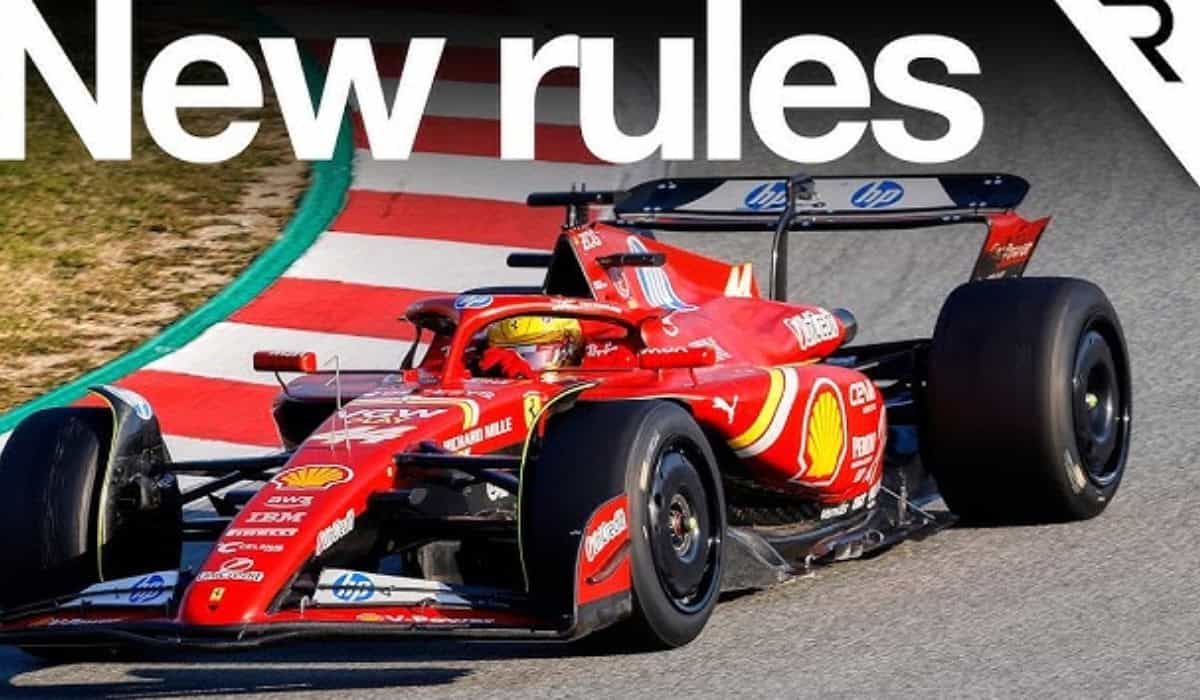
Formula 1 Rules: Complete Beginner’s Guide
Formula 1 stands as the pinnacle of motorsport, blending extreme speed with tactical depth and precision engineering. For newcomers, the intricate framework of rules and regulations can seem complex at first. From car specifications and race weekend formats to penalty systems and steward decisions, understanding how F1 is governed is key to fully appreciating the sport.
This guide breaks down the essential aspects of Formula 1 regulations for beginners. You’ll discover the role of the Fédération Internationale de l’Automobile (FIA), along with the differences between technical and sporting regulations, the structure of sprint weekends, budget cap rules, safety protocols, and common misconceptions.
By the end, you’ll be able to follow races with greater confidence and better understand strategic calls, pit decisions, and penalties. Whether you’re watching the iconic Monaco Grand Prix or tuning in for a mid-season sprint, this knowledge helps you interpret every moment in the paddock. Ultimately, it’s this regulatory framework that balances competition and innovation—creating exciting updates and thrilling moments throughout the Formula 1 season.
Understanding the FIA and F1 Governance
The Fédération Internationale de l’Automobile (FIA) governs Formula 1, ensuring safety, fairness, and consistent competition. The FIA creates and enforces regulations while balancing innovation and entertainment.
- The FIA is responsible for both sporting and technical rules, providing clear guidelines for drivers, teams, and circuits.
- All F1 teams must comply with regulations or face penalties such as fines, disqualifications, or grid drops.
- Changes to rules are often introduced before the start of a new season, allowing teams to adapt car designs and strategies.
Formula 1 driver performance is shaped not just by skill but also by the framework set by FIA governance. This governance ensures the championship remains competitive, fair, and safe. Sporting regulations govern on-track conduct, race procedures, and penalties, while technical regulations define car design, safety standards, and performance limits. Understanding these distinctions helps fans grasp why decisions occur during races, from controversial overtakes to mechanical disputes.
Race Weekend Structure Explained
Formula 1 weekends follow a structured format designed to test both cars and drivers. Knowing the schedule helps fans understand results, points, and strategies.
- Practice sessions allow teams to fine-tune setups, test tires, and gather telemetry data.
- Qualifying determines the starting grid based on fastest lap times, introducing strategic tire choices.
- Sprint weekends feature shorter races with separate points allocations, offering additional excitement.
The traditional weekend spans three days: Friday practice, Saturday qualifying, and Sunday race. Sprint races, now integrated in select events, compress the action into a single-day event with a smaller points system. Each session plays a critical role in shaping race strategy, influencing tire management, fuel load, and overtaking tactics. Most successful F1 teams carefully analyze every detail of the weekend to optimize performance and gain a competitive edge. Understanding the weekend structure improves appreciation of team decisions and driver performances.
Technical Regulations of F1 Cars
Technical regulations ensure safety while limiting excessive advantages. These rules dictate everything from engine design to aerodynamics.
- Chassis, engine capacity, and aerodynamics must meet strict FIA specifications.
- Innovations are allowed only if compliant with performance and safety restrictions, preventing unsafe experiments.
- Safety features, such as the halo cockpit device, fire-resistant suits, and crash tests, are mandatory.
- Teams must stay within fuel flow and tire usage limitations during races.
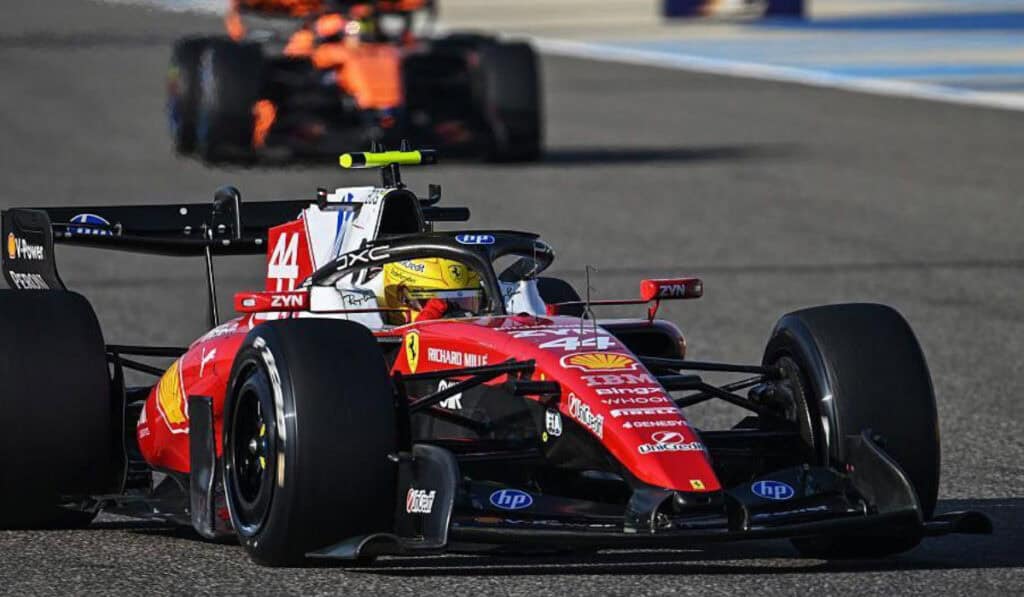
FIA technical rules balance innovation with fairness, compelling engineers to maximize efficiency and performance while ensuring driver safety. Motorsport legacy drives the careful control of innovations like adaptive aerodynamics and hybrid power units, so every team competes on roughly equal grounds. Regular inspections and scrutineering prevent illegal modifications, ensuring integrity throughout the championship.
Sporting Rules and Race Conduct
Sporting regulations govern behavior on track, including overtaking, pit stops, and race procedures. Compliance is vital to avoid penalties.
- Overtaking is allowed in designated areas, and unsafe moves are penalized.
- Pit stops must adhere to team safety protocols and equipment standards.
- Races start with rolling or standing starts, and finish lines are monitored for time and order compliance.
- Track limits must be respected, with penalties for repeated violations.
The sporting rules prioritize safety, fair competition, and entertainment. Drivers must navigate corners carefully, avoiding collisions, while teams coordinate pit stops for tire changes and repairs. Lewis Hamilton Ferrari exemplify how top drivers and teams execute strategies under these rules, making split-second decisions on when to pit or push aggressively for a position. Understanding these rules enhances fan insight into the tactical side of racing.
Penalties, Stewards, and Decisions
Stewards enforce rules during races, judging infractions and issuing penalties. Penalty decisions are critical for fair outcomes.
- Grid penalties affect starting positions for dangerous or illegal maneuvers.
- Time penalties can change finishing positions post-race.
- Monetary fines may apply for non-sporting infractions.
- Decisions are communicated via team radios and race control, ensuring transparency.
Stewards analyze incidents using telemetry, video evidence, and regulations. Red Bull Racing often demonstrates how teams adapt to penalties and steward decisions, highlighting the balance between aggressive driving and fair competition. Penalties encourage safe driving, and fans benefit from understanding the criteria behind each ruling. Misinterpreting penalties is common among newcomers, but observing consistent steward practices helps clarify race outcomes.
Understanding the Budget Cap
The budget cap limits spending by teams to reduce gaps between top and lower-ranked teams.
- Covers car development, staff salaries, and operations, excluding marketing and driver salaries.
- Teams must balance spending on upgrades and innovation to stay competitive.
- Breaching the cap results in financial penalties, point deductions, or restricted upgrades.
Introduced to increase competitiveness, the budget cap forces strategic financial planning. Teams must choose when and where to invest, such as upgrading aerodynamics or engine parts mid-season. Understanding the cap reveals why some teams prioritize reliability over innovation in certain races.
Sprint Race Regulations
Sprint races condense competition into a shorter, high-intensity format, offering extra points.
- Points are awarded to the top 8 finishers, unlike traditional 25-18-15 distribution.
- Sprint weekends combine qualifying and sprint race to set the main race grid.
- Strategic pit timing, tire choice, and risk management become even more important.
Sprint races provide excitement for fans and opportunities for teams to gain positions. Although shorter, they significantly influence championship points and driver mentality for the main race. Teams must adapt quickly, balancing aggression with caution.
Safety Car and Red Flag Procedures
F1 prioritizes driver safety with strict procedures during accidents or adverse conditions.
- Safety cars neutralize the race, controlling speeds while hazards are cleared.
- Drivers must maintain position and follow safety car rules, avoiding overtakes.
- Red flags halt a race for serious incidents, with restarts following strict protocols.
Safety procedures ensure that racing remains thrilling without compromising human life. Rising star in motorsport drivers often face the challenge of adapting quickly when safety cars or red flags appear, influencing sudden position changes and team strategy adjustments. Compliance is monitored closely by FIA race control.
Common Misunderstandings About F1 Rules
Many new fans struggle to understand technicalities and penalties in F1. Clearing misconceptions helps enjoyment.
- Overtaking penalties are not always post-race; sometimes served during the race.
- Sprint race points are smaller than full race points, affecting overall championship totals.
- Budget cap violations are rare but can have severe mid-season consequences.
- Track limits may differ per circuit, creating apparent inconsistencies for new viewers.
By learning common misunderstandings, beginners can follow race commentary without confusion. F1 driver of the day moments highlight how exceptional performances can shape race outcomes, and understanding these nuances improves the viewing experience. This knowledge also allows fans to discuss driver performance and strategy with more confidence.
Conclusion
In conclusion, understanding Formula 1 rules, from technical regulations to sprint races, enhances every race experience. Fans can appreciate strategy, penalties, and team decisions with more clarity. Technological innovations play a key role in shaping these strategies, influencing everything from car performance to pit stop efficiency. Consistent study of rules also empowers fans to predict team behavior and understand championship dynamics. Following these guidelines ensures newcomers evolve into knowledgeable enthusiasts capable of analyzing every lap, pit stop, and decision. F1 is complex, but breaking it down into governance, technical rules, sporting conduct, and safety makes it accessible and deeply enjoyable.
FAQs About Formula 1 Rules
What are the most important F1 rules for beginners?
The key rules include understanding car specifications, track limits, race weekend formats, overtaking regulations, and penalties. Tifosi meaning reflects the passionate fan culture that surrounds teams, giving context to why understanding sporting and technical regulations is so important for newcomers. Beginners should focus on these regulations to follow the action and appreciate fan dynamics.
How are penalties decided during a race?
Stewards review incidents using video evidence, telemetry, and track reports. Penalties may include grid drops, time additions, or fines depending on severity and prior history.
What is the difference between technical and sporting regulations?
Technical regulations govern the car’s design and safety, while sporting regulations control on-track behavior, race procedures, and adherence to fair competition during events.
How does the budget cap influence team strategies?
The budget cap limits team spending on car development, upgrades, and operations, forcing strategic allocation of resources and affecting mid-season decisions to stay competitive.
What are the sprint race rules compared to standard races?
Sprint races are shorter, award fewer points to the top eight finishers, and determine the main race grid, requiring teams to adjust strategy and risk management accordingly.