Ferrari F1 Team Value After Hamilton: Full Economic Impact Analysis
The arrival of Lewis Hamilton at Scuderia Ferrari marks one of the most significant commercial shifts in modern Formula 1 history. Beyond racing performance, this move has reshaped Ferrari’s financial ecosystem, brand positioning, and global sponsorship dynamics.
This article explores the Ferrari F1 team value after Hamilton, the economic ripple effects, sponsorship transformations, and long-term brand influence driven by one of the most marketable athletes in the world.
Ferrari F1 Team Value After Hamilton
Ferrari has always been the most iconic team in Formula 1, but Hamilton’s arrival has pushed its commercial value even higher.
In 2025, Ferrari’s F1 team valuation reached approximately $6.5 billion, maintaining its position as the most valuable team in the sport.
What makes this even more remarkable is that this growth is not purely performance-driven. Instead, it reflects:
- Increased global visibility
- Higher sponsorship revenues
- Massive digital engagement growth
- Stronger brand equity
Hamilton’s presence contributed to:
- 31% higher social media engagement than competitors
- 44% more sponsorship revenue compared to other teams
This proves that Ferrari’s value is no longer just about racing—it’s about global brand power, and Hamilton & Ferrari together amplify that impact dramatically.
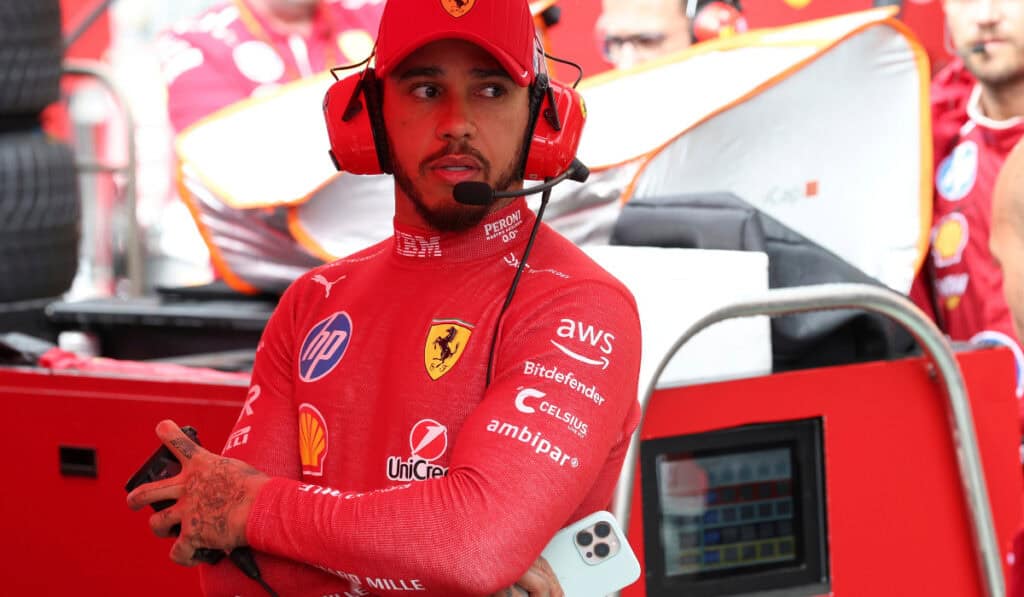
Lewis Hamilton Ferrari Deal Analysis
The deal between Ferrari and Lewis Hamilton is often described as a commercial masterstroke rather than just a sporting decision.
Financial Structure of the Deal
Hamilton reportedly earns tens of millions annually, but the return on investment is significantly higher.
- Estimated annual salary: ~$40–57 million
- Estimated revenue impact: ~€70 million+ per year
This means Ferrari is effectively profiting from Lewis Hamilton Joins Ferrari, even before race results are considered.
ROI and Business Logic
Ferrari’s strategy is clear:
- Invest in a global icon
- Leverage his massive audience reach
- Convert visibility into sponsorship and merchandise revenue
Hamilton’s influence spans:
- Motorsport fans
- Fashion industry
- Entertainment sector
- Younger global audiences
This cross-industry appeal makes him far more valuable than a typical athlete.
Hamilton Ferrari Economic Impact
Hamilton’s move has had a direct and measurable economic impact on Ferrari, with most successful drivers like him driving significant brand and financial value.
Revenue Growth
In 2025 alone:
- Ferrari generated €70 million additional revenue due to Hamilton
- Sponsorship income increased by around €50 million annually
Ferrari’s commercial revenue segment also saw a sharp rise:
- From €313 million → €396 million in a short period
Stock Market and Brand Value
Hamilton’s signing also influenced Ferrari’s financial perception:
- Ferrari’s share price rose following the announcement
- Investors saw the move as a long-term branding investment
Digital and Social Media Explosion
Hamilton is one of the most followed athletes globally:
- 40+ million Instagram followers
- Record-breaking engagement on Ferrari content
One single image featuring Hamilton in Ferrari colors generated:
- Over 11 million impressions
- Significant sponsor exposure value
This shows how Ferrari turns exciting updates and thrilling moments into digital attention, which then translates into real revenue.
Ferrari Brand Partnerships with Hamilton
Hamilton’s arrival triggered a wave of new and enhanced partnerships, with Lewis Hamilton and Shakira playing a prominent role, boosting visibility and influence.
Major Sponsorship Deals
After Hamilton joined Ferrari, the team secured major partnerships, including:
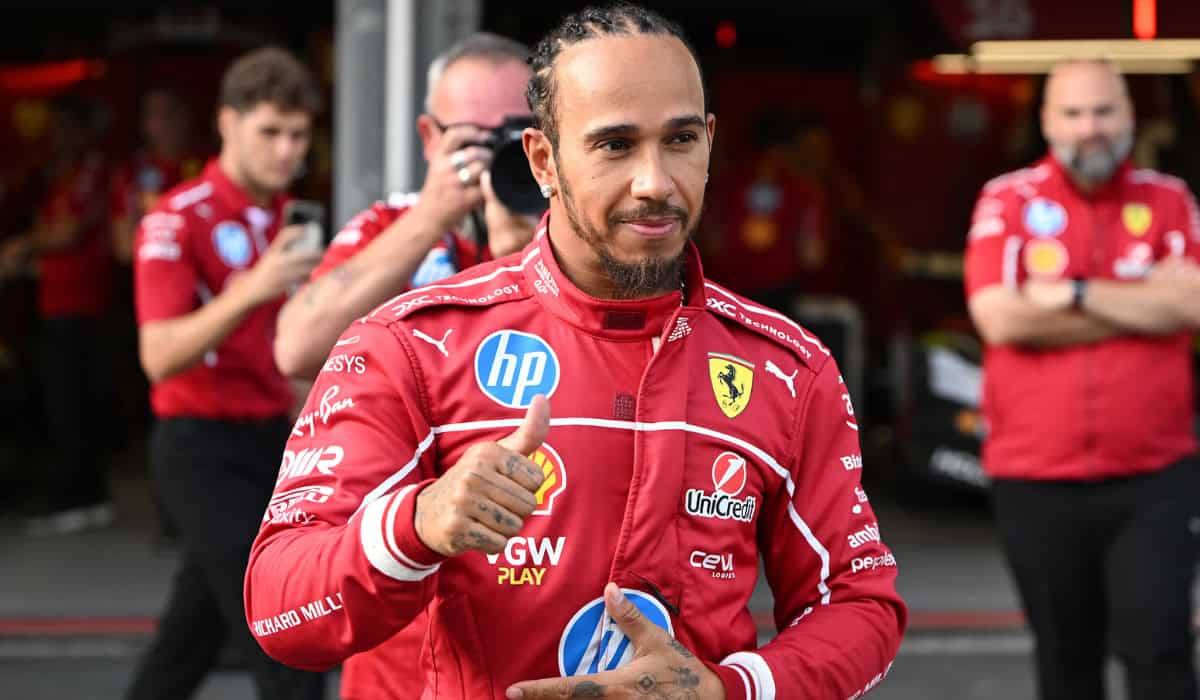
- Hewlett-Packard (HP) as title sponsor
- UniCredit banking partnership
- Expanded collaborations with lifestyle and fashion brands
The HP deal alone is estimated at:
- €80–90 million annually
This highlights how Hamilton directly increases Ferrari’s ability to attract premium sponsors.
Ferrari Sponsorship Portfolio After Hamilton
Ferrari already had one of the strongest sponsorship portfolios in Formula 1, including long-term partners like Philip Morris International.
However, Hamilton’s presence has transformed the portfolio into a modern, lifestyle-driven ecosystem.
Shift in Sponsorship Strategy
Before Hamilton:
- Focus on traditional automotive and industrial brands
After Hamilton:
- Expansion into:
- Fashion
- Technology
- Finance
- Luxury lifestyle
This aligns Ferrari with broader global audiences beyond motorsport.
Hamilton Ferrari Influence on Sponsorship
Hamilton’s influence on sponsorship is arguably his most powerful asset.
The “Hamilton Effect”
Sponsors benefit from:
- Increased brand exposure
- Stronger emotional connection with audiences
- Access to Hamilton’s personal fanbase
One sponsor reported:
- 8x increase in merchandise sales after Hamilton joined Ferrari
Premium Pricing Power
Ferrari can now:
- Charge higher sponsorship fees
- Offer greater ROI to partners
- Attract global brands outside motorsport
This creates a positive cycle:
Hamilton → Exposure → Sponsors → Revenue → Brand growth
Cultural and Global Brand Impact
Hamilton’s impact goes beyond business numbers.
Expanding Ferrari’s Audience
Hamilton brings:
- Younger fans
- Diverse global audiences
- Non-F1 viewers
His influence in fashion, activism, and entertainment expands Ferrari’s reach into:
- Hollywood
- Music industry
- Social activism
This makes Ferrari more than a racing brand—it becomes a cultural icon.
Global Media Attention
Hamilton’s move generated:
- Massive global media coverage
- Increased Formula 1 interest worldwide
The partnership has been described as a “marketing triumph” that elevates Ferrari’s global identity.
Long-Term Strategic Benefits for Ferrari
Hamilton’s influence is not short-term—it’s a long-term strategic investment.
Brand Longevity
Ferrari benefits from:
- Sustained global relevance
- Stronger emotional connection with fans
- Increased appeal to younger generations
Competitive Commercial Advantage
Compared to rivals:
- Ferrari leads in sponsorship revenue
- Dominates brand recognition
- Maintains highest team valuation
Even without consistent race wins, Ferrari remains:
- The most commercially powerful team in Formula 1
Risks and Challenges
Despite the positives, there are some risks.
Performance Expectations
If Hamilton doesn’t deliver strong results:
- Fan expectations may shift
- Brand perception could face pressure
High Investment Cost
Hamilton’s salary and marketing costs are significant, but F1 Driver of the Day status keeps them justified by ROI.
Dependence on Star Power
Ferrari must ensure:
- Long-term brand strength beyond one individual
Future Outlook
The future looks highly promising for Ferrari.
H3: Continued Revenue Growth
With Hamilton:
- Sponsorship deals are expected to grow further
- Merchandise sales will likely increase
- Global engagement will remain high
Evolution of F1 Marketing
Hamilton represents a new era where:
- Drivers are global influencers
- Teams operate as entertainment brands
- Sponsorship extends beyond racing
Conclusion
The signing of Lewis Hamilton is one of the most impactful decisions in Ferrari’s history—not just on track, but financially and culturally.
Key takeaways:
- Ferrari remains the most valuable F1 team
- Hamilton generates tens of millions in revenue annually
- Sponsorship and brand partnerships have significantly expanded
- The “Hamilton effect” drives global visibility and engagement
Ultimately, this partnership proves that in modern Formula 1, commercial success can be just as important as racing success.
Ferrari didn’t just sign a driver—they invested in a global brand powerhouse.
FAQs
How much value did Hamilton add to Ferrari?
Hamilton is estimated to generate around €70 million annually in additional revenue for Ferrari.
Did Ferrari’s value increase after Hamilton joined?
Yes, Ferrari maintained its position as the most valuable F1 team at around $6.5 billion, with increased sponsorship and engagement.
Why is Hamilton important for Ferrari sponsors?
Hamilton brings:
- Massive global audience
- High engagement rates
- Strong brand influence
This helps sponsors achieve better ROI.
What is the “Hamilton effect”?
The “Hamilton effect” refers to:
- Increased sponsorship revenue
- Higher merchandise sales
- Greater global visibility
Is Hamilton’s deal profitable for Ferrari?
Yes. Despite high costs, Ferrari earns more revenue than it spends, making the deal highly profitable.