How Fast Do Formula 1 Cars Go? Top Speed, Acceleration & Performance Explained
Formula 1 cars are often seen as the fastest machines in the world, but their true performance goes far beyond simple top speed. Many fans wonder how fast F1 cars really go, how quickly they accelerate, and what makes them so powerful on the track. In reality, Formula 1 speed is a combination of aerodynamics, engine power, hybrid technology, and driver skill. This introduction explores the real meaning of speed in F1, breaking down common myths and explaining what truly makes these cars extraordinary on every circuit around the world in modern racing.
Formula 1 Speed Myths vs Real Performance Facts
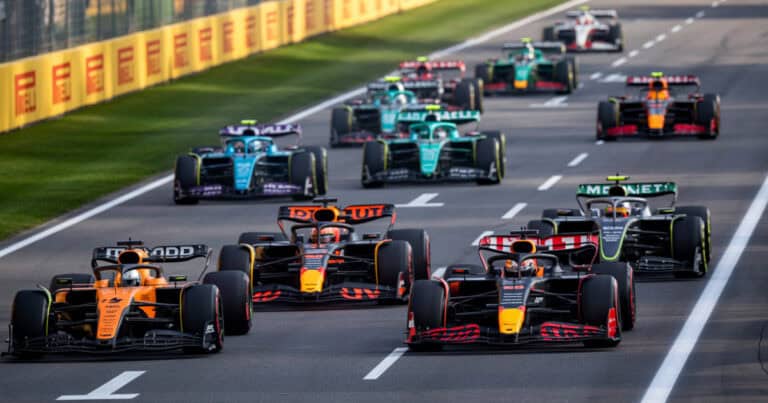
Formula 1 speed is often misunderstood, with many fans believing that top speed alone defines how fast an F1 car really is. In reality, performance in Formula 1 is a complex combination of acceleration, cornering, aerodynamics, and race strategy. The fastest car in a straight line is not always the fastest over a full lap. Understanding this distinction is key to appreciating modern F1 engineering.
- Many fans assume F1 cars are built only for maximum top speed, but lap time performance is far more important.
- Straight-line speed is impressive, but cornering ability often has a greater impact on race results.
- “Fastest” in Formula 1 refers to overall lap performance, not just top speed records.
F1 cars are designed to be balanced machines, where speed is controlled by multiple engineering systems working together, offering valuable acceleration & performance insights. This makes them some of the most advanced racing vehicles in the world.
Official Top Speed Records in Formula 1
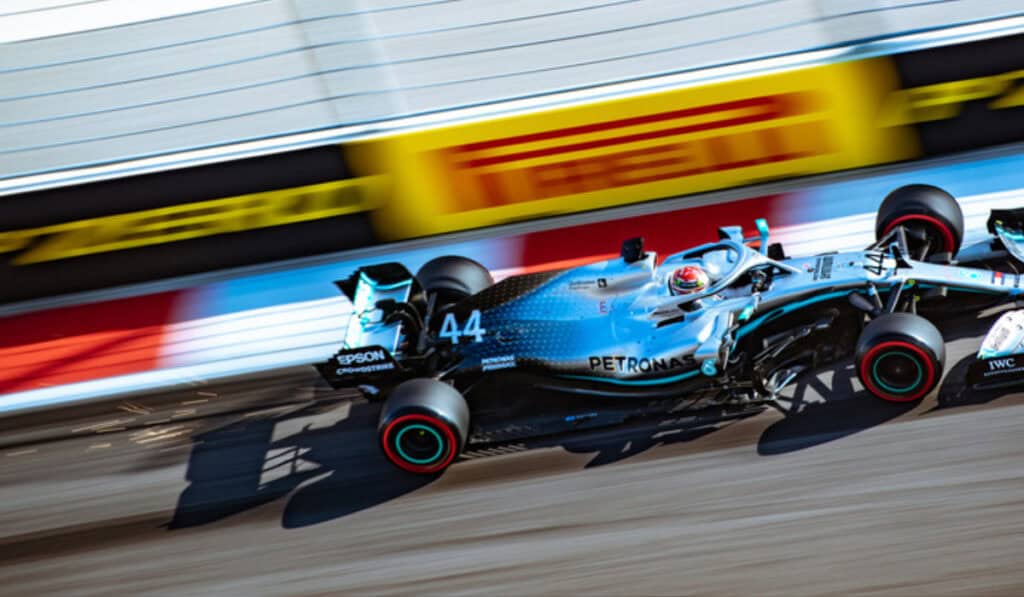
Formula 1 cars are capable of extremely high speeds under the right conditions, especially on circuits with long straights and low downforce setups. However, official top speeds depend heavily on track layout, weather, and car setup.
- The highest recorded F1 speeds exceed 370 km/h under special slipstream conditions.
- Speed records are usually set on circuits like Monza, known for long straights.
- Modern speed measurement is recorded using FIA-approved telemetry systems.
- Cars must be in optimal aerodynamic configuration to reach peak velocity.
These records show the incredible potential of F1 machinery, but they are not typical race conditions. Most races require a careful balance between speed and control, as demonstrated by teams like Red Bull Racing.
F1 Acceleration Explained: 0–100 km/h and Beyond
Acceleration is one of the most impressive aspects of Formula 1 performance, often more dramatic than top speed itself. Thanks to hybrid power units and advanced traction systems, F1 cars launch extremely quickly from a standstill.
- F1 cars can reach 0–100 km/h in approximately 2.4 seconds under ideal conditions.
- The 0–200 km/h benchmark is achieved in roughly 4.5 seconds depending on setup.
- Hybrid ERS systems provide instant torque for rapid acceleration out of corners.
- Traction control is banned, making driver skill crucial during acceleration phases.
This explosive acceleration, a hallmark of Formula 1’s motorsport legacy, is a key reason why the sport is considered the pinnacle of engineering and driver ability.
How Track Design Affects Formula 1 Speed
Not all Formula 1 circuits are designed for maximum speed, and track layout plays a huge role in determining how fast cars can go. Some circuits favor top speed, while others emphasize technical cornering.
- High-speed circuits like Monza allow cars to reach maximum velocity on long straights.
- Street circuits such as Monaco prioritize tight corners over straight-line speed.
- Track layout directly influences average lap time more than peak speed alone.
- Downforce setups change significantly depending on circuit characteristics.
This variation ensures that no single car dominates every race, making the championship more competitive and strategic, as noted by Vasseur Frédéric.
Engine Power, ERS and Hybrid Performance Systems
Modern Formula 1 cars use advanced hybrid power units that combine traditional combustion engines with electric energy recovery systems. This combination delivers both speed and efficiency.
- The internal combustion engine provides sustained high-speed performance throughout the race.
- ERS (Energy Recovery System) delivers additional electric power during acceleration phases.
- Hybrid systems improve fuel efficiency while boosting overall performance output.
- Energy deployment strategy plays a key role in overtaking and defending positions.
This technological balance, combined with a superior aerodynamics edge, is one of the main reasons modern F1 cars are both powerful and highly efficient compared to older generations.
Aerodynamics vs Raw Engine Power in F1 Speed
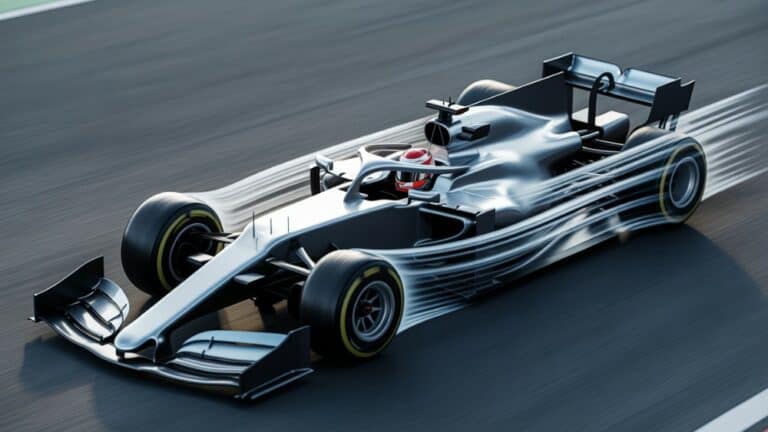
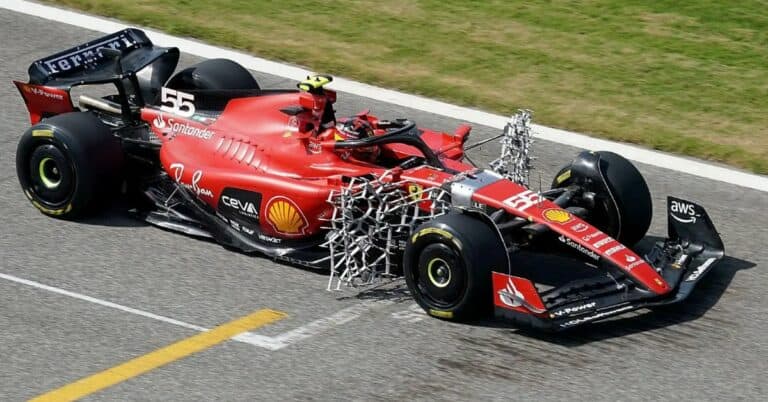
Aerodynamics play a more important role in Formula 1 than raw engine power when it comes to overall performance. Downforce helps cars corner faster but can reduce top speed.
- Downforce increases grip, allowing cars to take corners at extremely high speeds.
- High aerodynamic load improves stability but reduces straight-line top speed.
- Engineers constantly balance drag and downforce for optimal race performance.
- Aerodynamic efficiency often determines which teams dominate a season.
This balance between speed and control is one of the most complex engineering challenges in motorsport.
FIA Regulations and Speed Limitations in Formula 1
Formula 1 is heavily regulated by the FIA to ensure safety, fairness, and competitive balance. These regulations directly impact how fast cars can go.
- Technical rules limit engine power, aerodynamics, and energy usage.
- Safety regulations restrict excessive speed in dangerous conditions.
- Standardized components ensure fair competition between teams.
- Rule changes often reset performance advantages across seasons.
Without these regulations, F1 cars could become significantly faster but also far more dangerous, as seen when comparing the approaches of the most successful F1 teams.
Fastest Formula 1 Cars in History
Over the years, several Formula 1 cars have stood out for their exceptional speed and performance. These machines represent milestones in engineering development.
- Historic cars like the Mercedes W11 demonstrated dominant pace in modern eras.
- Red Bull and Ferrari have produced record-breaking performance seasons.
- Evolution in aerodynamics has steadily increased average race speed.
- Hybrid era cars balance efficiency with extreme performance output.
Each era of Formula 1 reflects continuous innovation pushing the limits of speed and technology.
Why F1 Cars Are Not Designed for Maximum Top Speed Only
Formula 1 cars are not built solely for straight-line speed because racing success depends on overall lap performance, which directly impacts Formula 1 driver performance. Engineers prioritize balance over raw velocity.
- Cornering speed has a greater impact on lap times than top speed.
- Aerodynamic downforce improves control through complex track sections.
- Strategic race performance requires tire and energy management.
- A balanced setup ensures consistent performance across different circuits.
This makes Formula 1 a sport of engineering precision rather than simple speed competition.
Conclusion: The Real Speed Truth
Formula 1 speed is not just about how fast a car can go in a straight line, but how efficiently it performs across an entire lap. The combination of acceleration, aerodynamics, hybrid power, and driver skill defines true performance, delivering exciting updates and thrilling moments for fans. Understanding this complexity reveals why F1 is the pinnacle of motorsport engineering and why raw top speed is only one part of a much bigger picture.
FAQ
How fast do Formula 1 cars go in top speed?
F1 cars can exceed 370 km/h under ideal conditions, especially on low-drag circuits with slipstream and optimal aerodynamic setup, such as during a Grand Prix.
How quickly do F1 cars accelerate?
They can accelerate from 0–100 km/h in around 2.4 seconds, making them among the fastest accelerating vehicles in the world.
What is more important: speed or aerodynamics?
Aerodynamics is more important because it affects cornering, stability, and overall lap time more than straight-line speed alone.
Why are F1 cars slower in some races?
Track design, weather conditions, tire strategy, and aerodynamic setup all influence race speed significantly.
Do F1 rules limit car speed?
Yes, FIA regulations restrict engine power, aerodynamics, and energy systems to ensure safety and fair competition.