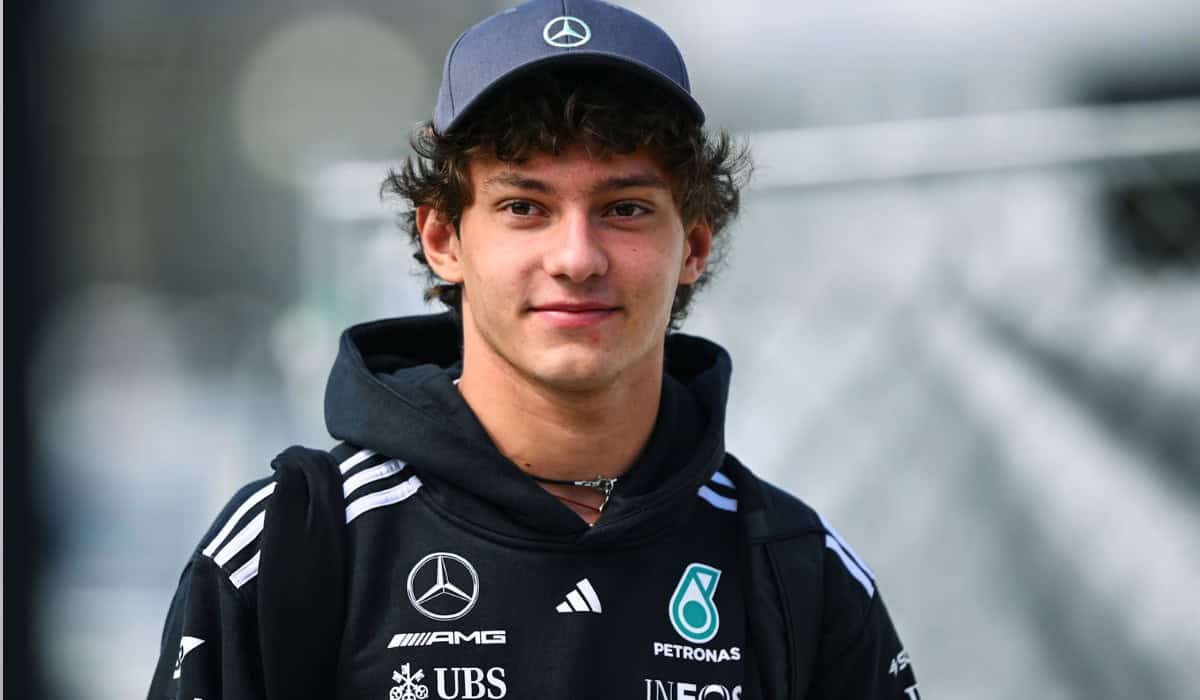
Andrea Kimi Antonelli height and F1 future read about his rapid climb to the top now
Andrea Kimi Antonelli is one of the brightest young talents in motorsport, rapidly making a name for himself in the junior formulas and earning a coveted spot in the Mercedes Junior Driver program. Known for his exceptional skill, focus, and tactical intelligence, Antonelli has demonstrated remarkable maturity for his age, handling pressure with composure and consistency. His karting successes, combined with his impressive Formula 4 performances, have drawn comparisons to some of the most successful F1 rookies in recent history. As he continues to develop his driving skills, physical conditioning, and racecraft under the guidance of Mercedes, Antonelli is increasingly viewed as a future Formula 1 contender. Fans and analysts alike are closely monitoring his progress, particularly his adaptation to more advanced race machinery, strategic decision-making, and potential to make an early impact once he steps into an F1 car.
Who is Andrea Kimi Antonelli
Andrea Kimi Antonelli is a young Italian racing prodigy currently part of the Mercedes Junior Driver program, recognized for his talent and consistency across junior formulas.
- Known for rapid progression through karting and Formula 4.
- Demonstrates remarkable composure and precision during high-pressure races.
- Currently groomed for Formula 1 through Mercedes’ structured development pathway.
Antonelli’s blend of intelligence, speed, and tactical understanding positions him as a standout among his peers, shaping a growing motorsport legacy and marking him as a driver to watch closely in the coming years.

Height, Age & Physical Stats
Physical attributes are crucial for F1 drivers, and Antonelli’s profile is ideal for competitive racing.
- Height: approximately 1.74 meters (5 feet 8.5 inches).
- Maintains a race-ready weight that allows agility and optimal car balance.
- At 17 years old, combines youth with strategic maturity in races.
His physical fitness, combined with agility and endurance, allows him to adapt to the increasing demands created by the evolution of tyre technology in Formula 1, while maintaining focus and consistency during long, physically demanding races.
Karting & Junior Career
Antonelli’s success in karting laid the foundation for his rapid rise in motorsport.
- Dominated regional and national championships in Italy.
- Transitioned to Formula 4 with consistent podium finishes.
- Developed tactical intelligence and racecraft, excelling in overtaking maneuvers.
“His early experiences honed his competitive instincts, enabling him to consistently outperform his peers and show strong potential for higher formulas, such as Formula 3 and Formula 2 under the guidance of Frédéric Vasseur.
Mercedes Development Program
Being part of the Mercedes Junior Driver program has accelerated Antonelli’s growth and exposure.
- Receives mentorship from experienced engineers and former F1 drivers.
- Access to advanced simulators, telemetry analysis, and fitness regimes.
- Structured path with benchmarks for progression toward Formula 1.
This program allows Antonelli to refine his driving style, optimize strategic thinking, and gain familiarity with the technical intricacies of modern F1 cars.
Driving Style Analysis
Antonelli’s driving combines aggression, precision, and tire management, reflecting his potential for top-tier competition.
- Exceptional cornering and braking techniques.
- Maintains consistent tire performance throughout race distances.
- Demonstrates intelligent overtaking and defensive maneuvers.
His adaptive approach to circuits, combined with strong analytical skills and a focus on Formula 1 driver performance, makes him a formidable opponent in junior formulas and a highly promising prospect for the F1 grid.
Comparisons with Past F1 Rookies
Experts often compare Antonelli to notable young F1 talents.
- Reminiscent of Charles Leclerc’s early dominance in junior series.
- Mirrors Lewis Hamilton’s composure and consistency under pressure.
- Shares traits with George Russell in strategy and adaptability.
Such comparisons indicate the potential trajectory of his career, suggesting a fast rise once he enters Formula 1.
F1 Debut Expectations
Antonelli’s entry into Formula 1 is highly anticipated by teams and fans.
- Likely to start with a Mercedes-affiliated or midfield F1 team.
- Early races focused on learning car dynamics and gaining experience.
- Expected to adapt quickly due to simulator experience and junior success.
His skills suggest that once he enters F1, he could make a noticeable impact, even in his rookie season.
Media Hype vs Reality
As a rising star, Antonelli faces intense media attention.
- Media highlights his potential, sometimes exaggerating comparisons to legends.
- Fans often set high expectations prematurely.
- Antonelli focuses on consistent growth rather than hype, maintaining discipline.
Balancing public attention with development is key to sustaining his progression toward Formula 1 success, a recognition that often highlights emerging talent such as Formula 1 Driver of the Day.

Long-Term Potential
Antonelli’s trajectory suggests a bright and impactful future in motorsport.
- Poised to develop into a championship-contending driver.
- Combines physical fitness, technical skill, and strategic intelligence.
- Long-term career likely to feature sustained top-level performance with Mercedes or affiliates.
With careful mentorship, structured progression, and continuous improvement, Antonelli leverages technological innovations to refine his skills and gain a competitive edge, giving him the tools to become a major figure in Formula 1.
Conclusion
Andrea Kimi Antonelli is emerging as one of the most promising young talents in motorsport, blending skill, intelligence, and maturity. From his early karting successes to Formula 4 achievements and development within the Mercedes Junior Driver program, he has demonstrated readiness for the next level of competition. His height, physical conditioning, and adaptive driving style make him well-suited for modern Formula 1 machinery. Leveraging Formula 1 Racing Performance metrics, structured mentorship, and a dedication to continuous growth, Antonelli is positioned to make a strong impact in Formula 1 once he debuts. His ability to manage pressure, optimize strategy, and consistently deliver results highlights his potential for a long, successful, and influential career in the sport, capturing the attention of fans and teams worldwide.
FAQ
What is Andrea Kimi Antonelli’s height?
Andrea Kimi Antonelli stands approximately 1.74 meters (5 feet 8.5 inches), providing an ideal physique for racing agility and cockpit compatibility in modern Formula 1 cars.
How old is Andrea Kimi Antonelli?
He is 17 years old, combining youthful energy with remarkable maturity, allowing him to compete effectively in junior formulas and prepare for a potential F1 debut, following in the footsteps of drivers like Lewis Hamilton who have successfully transitioned from junior categories to Formula 1 stardom.
Which junior program is Antonelli part of?
Antonelli is part of the Mercedes Junior Driver program, receiving mentorship, simulator access, and structured development aimed at a future Formula 1 career. Meanwhile, fans can check out official Ferrari F1 merchandise.
What is his driving style like?
His driving style blends precision, calculated aggression, and tire management, making him a competitive, intelligent, and adaptable driver in junior series and a future F1 contender.
When can we expect his F1 debut?
While no official date is confirmed, Antonelli is expected to enter Formula 1 within the next few years, potentially starting with a Mercedes-affiliated or midfield team to gain experience.