F1 Shift Timing, Manual Override, Shift Mapping & Driving Cockpit Insights
In Formula 1, victory is rarely determined by raw speed alone. Modern F1 cars are technological marvels where gear shifts, throttle control, and hybrid energy deployment play a crucial role in overall race performance. Every millisecond matters, and the way drivers manage shift timing, manual overrides, and steering wheel controls can make the difference between a podium finish and falling behind. In this comprehensive guide, we explore F1 shift timing, manual override, shift mapping, driving cockpit controls, steering wheel functionalities, throttle and shift management, and hybrid energy deployment — all through the lens of top-level F1 racing.
Understanding F1 Shift Timing
What is Shift Timing in F1?
Shift timing refers to the precise moment a driver changes gears to maintain optimal engine RPM and maximize power. Unlike standard road cars, F1 cars use paddle shifters connected to a semi-automatic gearbox, enabling lightning-fast gear changes—a skill that often earns a driver the F1 Driver of the day award.
Why Shift Timing is Crucial
- Engine Performance: Proper shift timing ensures the engine remains in its optimal power band.
- Tire Management: Smooth shifts reduce stress on tires and help maintain traction.
- Lap Time Reduction: Each gear change optimized for speed and cornering improves lap times.
Factors Affecting Shift Timing
- Track layout and cornering speeds
- Tire wear and grip levels
- Fuel load and weight distribution
- Hybrid energy deployment (ERS boosting)
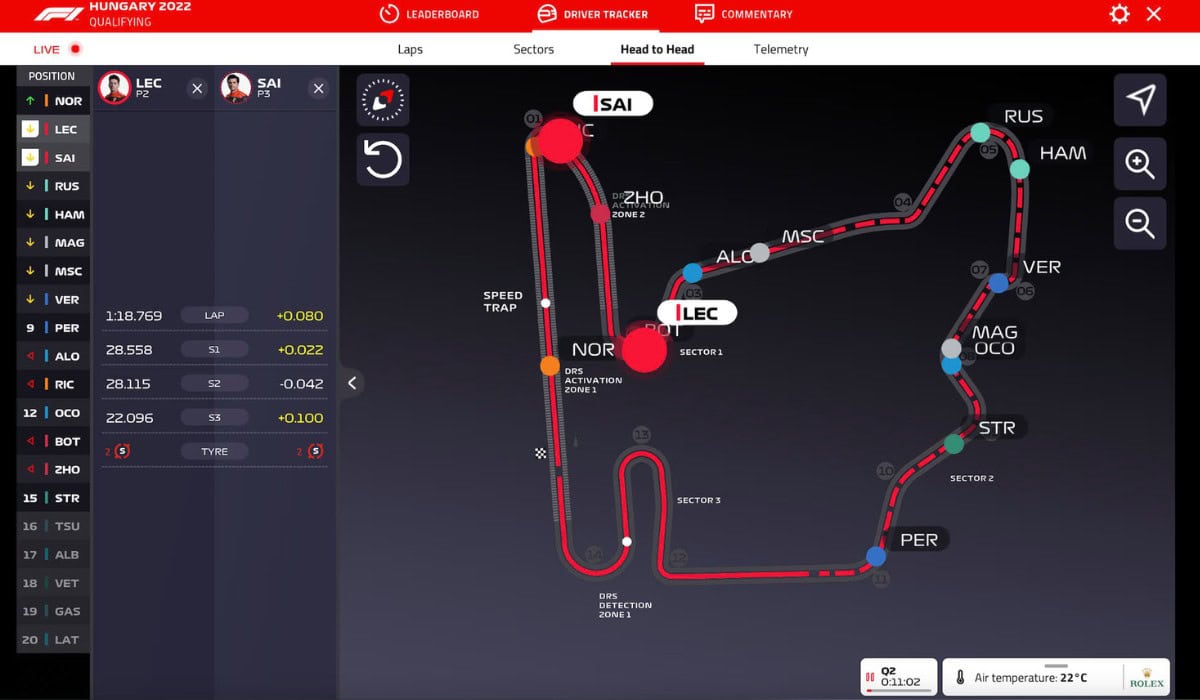
Top F1 teams rely on real-time telemetry to track every gear change, ensuring drivers shift at the ideal RPM for each track sector—a level of precision often highlighted and praised by Nico Rosberg.
Manual Override in F1 Gearboxes
What is Manual Override?
While modern Formula 1 car use semi-automatic gearboxes, a manual override lets drivers or engineers temporarily control gear changes if the automatic system fails. Fans can celebrate this technology and team heritage with Ferrari F1 Merch.
When Manual Override is Used
- Electronic Shifter Malfunction: If paddle shifters or the gearbox electronics fail.
- Race Strategy Adjustments: Manual control can optimize gear selection for tire preservation or fuel management.
- Safety Situations: Provides redundancy in case of unexpected mechanical or electronic issues.
Manual override requires extreme precision, as incorrect shifts can damage the gearbox or compromise performance.
Shift Mapping in Formula 1
Understanding Shift Mapping
Shift mapping is the software-based control of how and when gears are engaged, a system that works hand in hand with Formula 1 chassis design. It is customized per driver and track, allowing for optimized performance across different conditions.
Benefits of Custom Shift Mapping
- Optimal Power Delivery: Tailors gear engagement to the engine’s torque curve.
- Fuel Efficiency: Adjusts shift points to reduce unnecessary fuel consumption.
- Hybrid Energy Integration: Ensures ERS deployment is synchronized with gear changes for maximum boost.
Types of Shift Maps
- Aggressive Map: Maximizes power for overtaking or qualifying laps.
- Balanced Map: Maintains consistent performance while preserving tires.
- Conservative Map: Used during race management or wet conditions to reduce mechanical stress.
Teams continuously analyze telemetry to update shift maps in real-time based on track conditions and competitor behavior.
The F1 Driving Cockpit
Design and Ergonomics
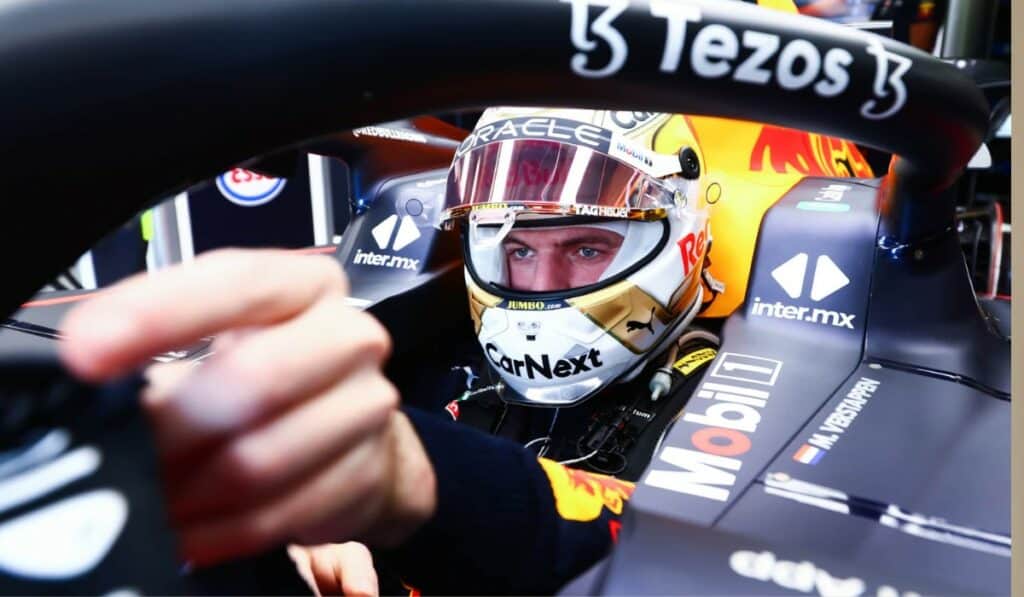
The Formula 1 cockpit is designed for maximum driver efficiency. Every control is within finger reach, allowing drivers to manage gear changes, hybrid energy, fuel mix, and brake bias without taking hands off the wheel.
Key components include:
- Paddle Shifters: Behind the steering wheel for instantaneous upshifts and downshifts.
- Multi-Function Steering Wheel: Displays telemetry, tire data, ERS status, and allows strategy adjustments.
- Throttle and Brake Pedals: Optimized for precise pressure and feedback.
- Manual Override Controls: Accessible in case of electronic issues.
Importance of Cockpit Familiarity
Drivers spend hours in simulators mastering cockpit controls, a point often emphasized by champions and F1 fathers. Their message is clear: only through repetition and muscle memory can drivers make split-second adjustments during a race. This instinctive control allows them to react instantly to changing conditions and maintain performance under extreme pressure.
F1 Steering Wheel Controls
Functions Beyond Steering
The F1 steering wheel is a high-tech control center. Drivers can adjust:
- Gear ratios and shift mapping
- Fuel mix and engine modes
- Differential settings and brake bias
- ERS deployment and harvesting
- Radio communication with engineers
Steering Wheel Customization
Each driver has a customized wheel layout, ensuring buttons, rotary switches, and paddles are positioned for maximum accessibility. This personalization is essential for executing race strategy effectively, and fans can experience a similar feel with red bull ring gear.
Throttle and Shift Management
Throttle Control in F1
- Smooth Application: Prevents wheel spin and optimizes tire grip.
- ERS Integration: Synchronizes throttle with hybrid power deployment for maximum acceleration.
- Cornering Precision: Adjusts engine output mid-corner for stability and optimal exit speed.
Synchronizing Shift and Throttle
- Upshifts: Must coincide with ERS deployment to maintain power delivery.
- Downshifts: Require throttle blipping to balance car stability and avoid rear wheel lock-up.
- Launch Control (Start): Optimized gear shifts combined with ERS boost for maximum acceleration off the line.
Hybrid Energy Deployment in F1
What is Hybrid Energy?
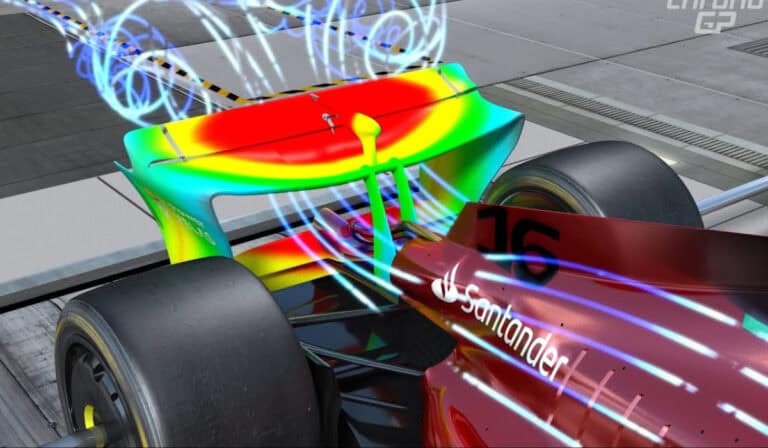
Modern F1 cars use Energy Recovery Systems (ERS), capturing energy from braking and heat to provide a temporary power boost. ERS is strategically deployed during acceleration or overtaking, complementing the car’s aerodynamics edge on the track.
Types of ERS Deployment
- Overtaking Mode: Maximizes boost for a short period to pass competitors.
- Defensive Mode: Provides controlled power to maintain position.
- Fuel Efficiency Mode: Reduces power to conserve energy and extend ERS availability.
Integration with Gear Shifting
ERS deployment is synchronized with shift timing. An early upshift may trigger an ERS boost, while downshifts optimize energy recovery. The combination of precise gear changes and hybrid energy strategy is key for the performance of any rising star of Formula 1.
Optimizing F1 Gear and Hybrid Strategy
Telemetry Analysis
Teams continuously analyze lap-by-lap telemetry to adjust:
- Gear shift points for each sector
- Hybrid energy deployment patterns
- Fuel mix and engine modes
Simulation and Real-Time Adjustments
- Pre-Race Simulations: Test multiple shift and ERS strategies to find the optimal setup.
- During Race:ngineers advise drivers on throttle modulation, shift maps, and hybrid deployment to adapt to changing track conditions or safety car periods—a crucial strategy often mastered by the five youngest drivers in Formula 1.
Mistakes to Avoid
- Shifting too early or late, reducing power efficiency
- Mismanaging ERS, leading to energy depletion
- Ignoring track-specific gear requirements, causing tire wear or corner instability
The Future of F1 Shift and Cockpit Technology
As F1 evolves, we see innovations like:
- Fully integrated hybrid gearboxes with AI-assisted shift optimization
- Advanced driver-assist telemetry, predicting optimal shift points dynamically
- Enhanced steering wheel ergonomics for better control of hybrid systems and gear mapping
These innovations continue to push lap times lower and make strategy more critical than ever, reinforcing the rich motorsport legacy of Formula 1.
FAQ – F1 Shift Timing and Hybrid Systems
What is F1 shift timing?
Shift timing is the precise moment a driver changes gears to maintain optimal engine RPM and maximize power output.
When is manual override used in F1?
Manual override is used if the paddle shifters fail or if the team needs to adjust gear selection for strategy or safety.
What does shift mapping do?
Shift mapping customizes when and how gears engage, optimizing power delivery, fuel efficiency, and hybrid energy use.
Why is the F1 driving cockpit important?
The cockpit allows drivers to control gear shifts, hybrid energy, throttle, and other key functions quickly and ergonomically.
How are throttle and shift synchronized?
Throttle input and gear changes are coordinated with hybrid energy deployment and cornering demands to maximize acceleration and stability.
What is hybrid energy deployment in F1?
ERS captures energy from braking and heat, which is stored and deployed strategically for acceleration, overtaking, or fuel efficiency.
How do teams optimize gear and hybrid strategy?
Teams use telemetry, simulation, and real-time data to adjust shift timing, ERS deployment, and engine modes for maximum performance.