Formula 1 Rules Explained: Beginner-Friendly Guide for Fans
Formula 1 is one of the most thrilling motorsports in the world, but for new fans, the rules and regulations can be overwhelming. Understanding how F1 works is essential to fully enjoy the races, whether you’re following a sprint race, a full Grand Prix weekend, or analyzing team strategies. From technical specifications of the cars to sporting regulations, points allocation, pit stop procedures, and penalties, the F1 rulebook is detailed and constantly evolving. The FIA, as the governing body, ensures fair play and safety across all circuits, while teams must adhere to strict technical, sporting, and financial guidelines. In this guide, we will explain Formula 1 rules in an accessible, beginner-friendly way. You’ll learn about race weekend procedures, car legality, penalties, sprint race rules, budget cap regulations, and common misunderstandings. By the end, you’ll have the knowledge to enjoy F1 with confidence and understand the action on track.
Understanding the FIA and F1 Governance
The Fédération Internationale de l’Automobile (FIA) governs Formula 1 to ensure safety, fairness, and technical compliance.
- The FIA sets all technical and sporting regulations for F1 teams.
- It monitors race operations and approves modifications to the rules.
- Officials ensure consistent enforcement across every Grand Prix.
The FIA’s role is essential for maintaining competitive balance and safety. Without these regulations, cars could be unsafe or unfairly advantageous. Teams must submit their car designs and operational procedures for approval, ensuring each season maintains a level playing field, bringing exciting updates and thrilling moments for fans. The FIA also introduces updates based on safety concerns, technological innovation, and lessons learned from previous seasons.
The Race Weekend: Format and Procedures
Race weekends follow a structured schedule designed to test drivers and teams strategically.
- Free practice sessions allow teams to test setups and strategies.
- Qualifying determines starting grid positions using timed laps.
- Sprint weekends feature shorter races and revised points allocation.
Understanding the weekend format helps fans track Formula 1 driver performance and overall trends. On a standard weekend, teams use practice sessions to optimize aerodynamics, tires, and fuel strategies. Qualifying sessions create excitement as drivers push limits to secure prime positions. Sprint weekends, however, condense the schedule, emphasizing aggressive driving and strategic tire usage, impacting the main race starting grid.
Technical Regulations: What Makes an F1 Car Legal
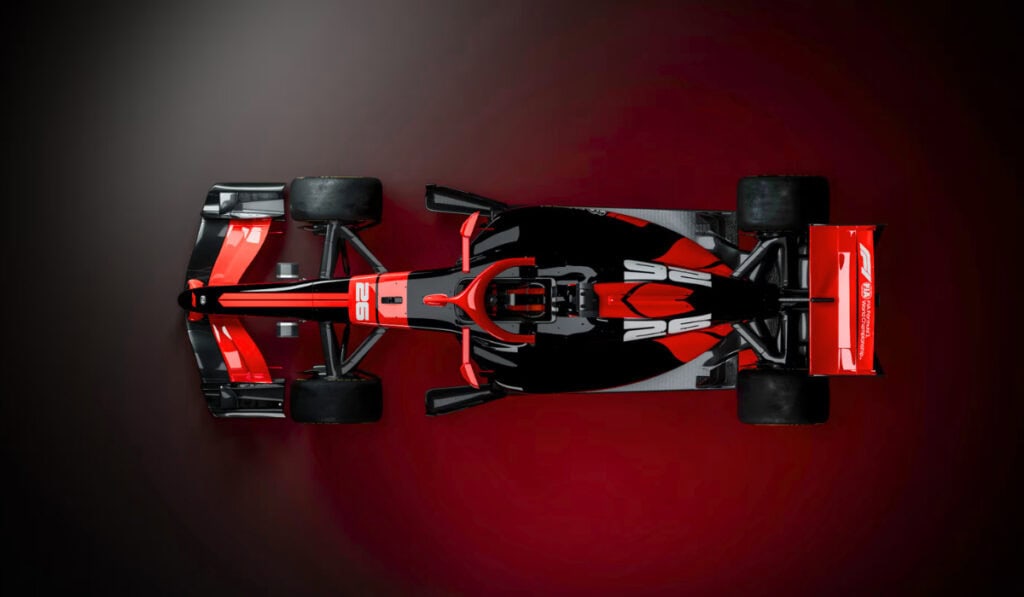
F1 cars must meet strict technical regulations to ensure fairness and safety.
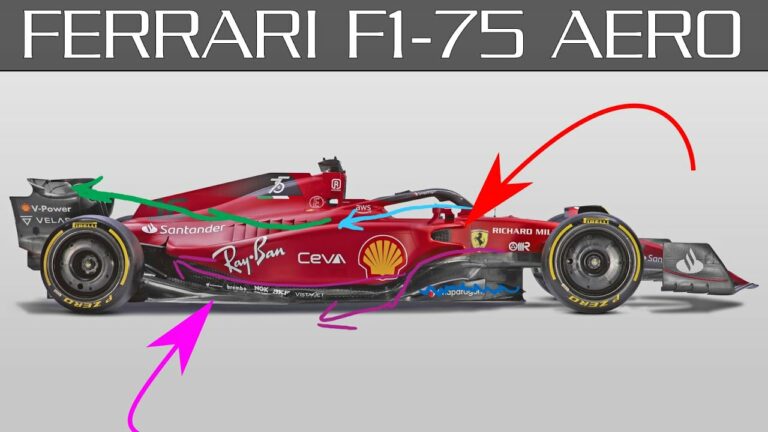
- Dimensions, weight, and aerodynamic features are standardized.
- Certain innovations, like active aerodynamics, are prohibited.
- Power units must comply with hybrid and energy recovery rules.
Teams innovate within these limits to gain competitive advantages. Every component is scrutinized before and during the season. Technical compliance ensures races are won through skill and strategy, not illegal modifications, keeping the competition balanced while highlighting the achievements of the most successful F1 teams and encouraging technological advancement.
Sporting Rules: How the Competition Works
F1’s sporting rules dictate points, track behavior, and race procedures.
- Points are awarded to the top 10 finishers, with a bonus for fastest laps.
- Grid positions follow qualifying results, with penalties applied for infractions.
- Pit stops and tire management influence race strategy and outcomes.
Fans benefit from understanding these rules because they impact championship standings and race outcomes. Teams often plan pit stops around tire performance and track conditions, while race stewards monitor adherence to track limits and sporting conduct, contributing to the sport’s enduring motorsport legacy.
Penalties and Stewards’ Decisions
Penalties are applied to maintain fairness and safety.
- Time penalties can alter finishing positions after the race.
- Grid penalties impact starting positions in subsequent races.
- Fines and reprimands enforce rule compliance without affecting standings.
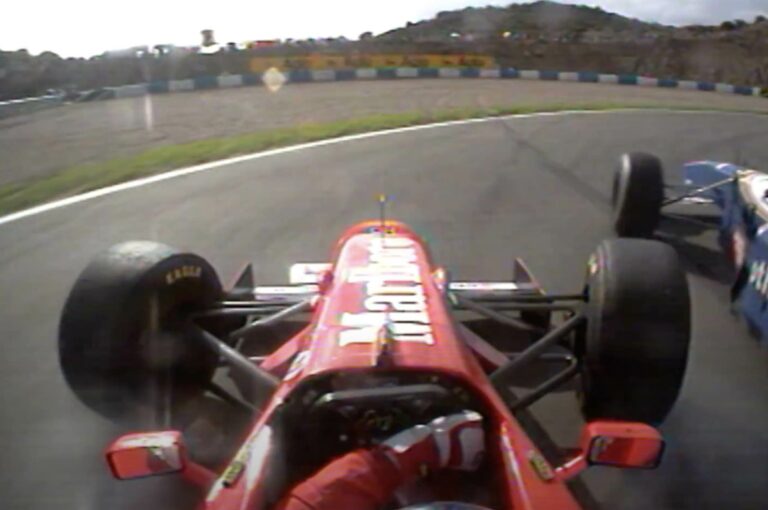
Stewards interpret incidents using video evidence, telemetry, and official reports. Penalties serve as corrective measures, and understanding them clarifies race results, sometimes affecting teams like Red Bull Racing and surprising fans watching live events.
Budget Cap Rules and Team Spending
F1 introduced a budget cap to promote equitable competition.
- Teams have a fixed spending limit for operations and development.
- Exceeding the cap results in penalties ranging from fines to point deductions.
- Budget rules encourage smaller teams to remain competitive.
The budget cap ensures that F1 is not dominated solely by wealthier teams. Teams must plan development cycles, resource allocation, and staffing within these limits, creating opportunities for a rising star in motorsport to make an impact. This adds strategic depth in management beyond the technical performance of cars.
Sprint Race Rules: What Changes?
Sprint races add excitement and strategy to the F1 calendar.
- Shorter race distances with fewer pit stops.
- Points are awarded to the top 8 finishers, affecting the main race grid.
- Aggressive tire strategies are common due to limited laps.
Sprint weekends force teams to adapt quickly, balancing risk and reward. Drivers push for maximum performance, knowing every position impacts the championship standings, while technological innovations play a key role in giving teams a competitive edge, making these races particularly thrilling for fans.
Safety Car and Red Flag Procedures
Safety measures protect drivers and spectators during incidents.
- Safety cars neutralize the race during hazardous conditions.
- Red flags stop the race entirely, allowing debris removal or severe weather assessment.
- Teams must follow strict pit lane rules under these scenarios.
These protocols ensure accidents or sudden track dangers do not compromise safety. Understanding safety procedures helps fans interpret sudden changes in race pace, overtaking limitations, or strategic pit decisions.
Common Misunderstandings About F1 Rules
Many new fans confuse race procedures and penalties.
- Track limit violations are often misunderstood as intentional cheating.
- Teams cannot bend budget cap rules without severe consequences.
- Sprint race scoring differs from the main event, causing confusion.
Providing clear examples from past races helps clarify rules. For instance, a driver exceeding track limits may retain position if no advantage is gained, highlighting exceptional performances and sometimes earning recognition as F1 Driver of the Day.
Conclusion
For new F1 fans, understanding the rules enhances enjoyment and engagement. Knowing FIA governance, weekend formats, technical regulations, sporting rules, penalties, and budget caps provides context for every move on track. By combining awareness of sprint race differences, safety procedures, and common misunderstandings, fans can watch F1 with confidence and deeper insight, including decisions and strategies from figures like Vasseur Frédéric. Being informed elevates both race-day excitement and long-term appreciation for the sport, making every overtaking maneuver, pit stop, or penalty meaningful and enjoyable.
(FAQs)
What are the most important rules for beginners?
For beginners, key rules include the points system, qualifying structure, track limits, and pit stop regulations. Understanding these provides a foundation for following every race strategically and comprehensively.
How are penalties decided and applied?
Penalties are enforced by stewards using video, telemetry, and official reports. They can range from time additions to fines, grid drops, or disqualifications depending on severity and context.
Can teams bend the rules without consequences?
No, FIA oversight and strict enforcement of technical, sporting, and budget rules prevent rule-bending. Violations can result in penalties, fines, and championship point deductions.
Where can I find the official FIA rulebook?
The official FIA Formula 1 regulations, including sporting and technical rules, are available on the FIA website and updated annually to reflect new standards and procedures.
Are sprint race rules different from normal weekends?
Yes, sprint races feature shorter distances, revised points allocation, and fewer pit stops. Teams must adapt strategies and tire management for these condensed race formats.