F1 Aerodynamics: The Science Behind Speed and Downforce
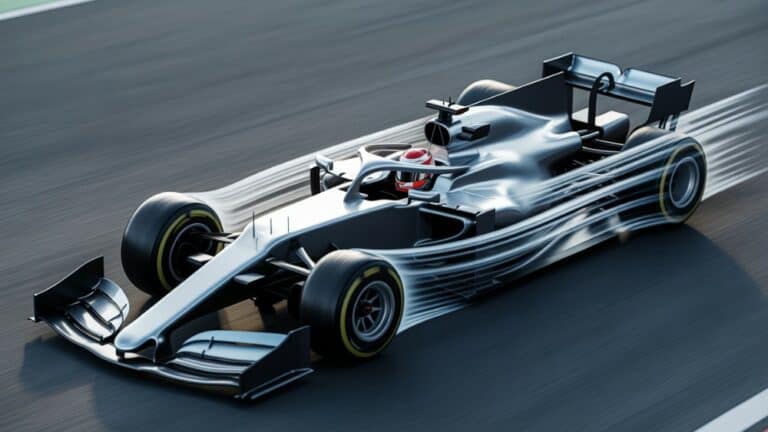
Formula 1 aerodynamics is one of the most important performance factors in modern racing. While engines provide raw power, it is the aerodynamic design of the car that determines how efficiently that power is used on the track. Every curve, wing, and surface is carefully engineered to control airflow, reduce drag, and maximize downforce.
In simple terms, F1 aerodynamics is about managing air in a way that makes the car faster through corners and stable at high speeds. The better a team understands airflow, the more competitive their car becomes.
What Is F1 Aerodynamics?
F1 aerodynamics refers to how air interacts with a Formula 1 car while it is moving. At speeds exceeding 300 km/h, air behaves like a powerful force that can either help or hinder performance, making a clear understanding of F1 aerodynamics guide essential for grasping how modern F1 cars achieve speed, stability, and control.
There are two main aerodynamic goals in Formula 1:
- Increase downforce for better grip
- Reduce drag for higher speed
These two goals are constantly balanced. More downforce usually means more drag, so engineers must find the perfect compromise for each circuit.
Formula 1 Airflow and Its Importance
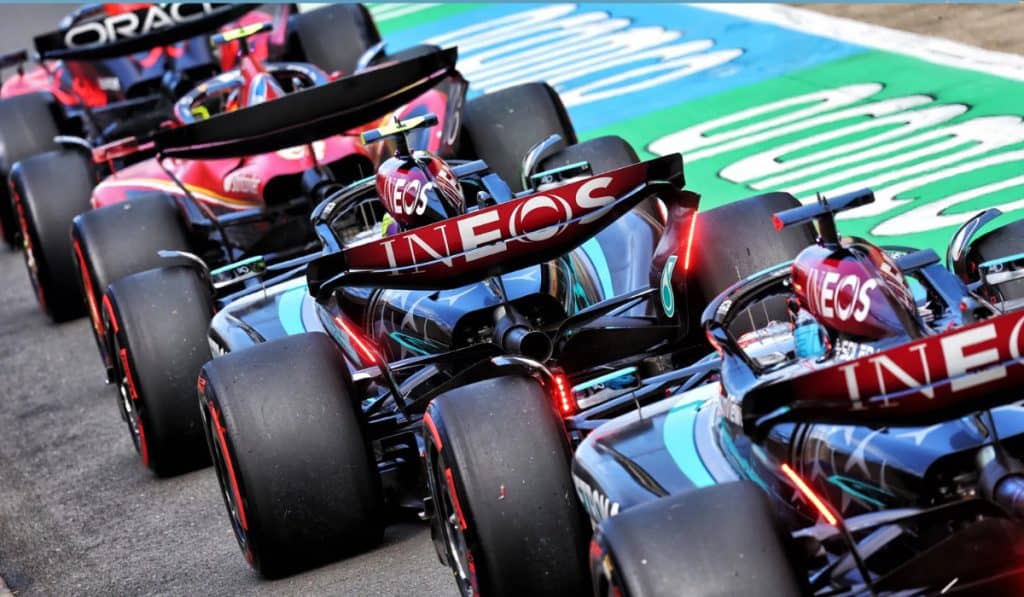
Airflow in Formula 1 is the movement of air around and through the car. It affects everything from speed on straights to grip in corners.
Clean Air vs Dirty Air
- Clean air: Undisturbed airflow that allows maximum aerodynamic efficiency
- Dirty air: Turbulent air left behind by a car, which reduces performance for trailing cars
Modern F1 regulations aim to reduce dirty air so cars can follow each other more closely, improving racing quality.
Managing Airflow Efficiently
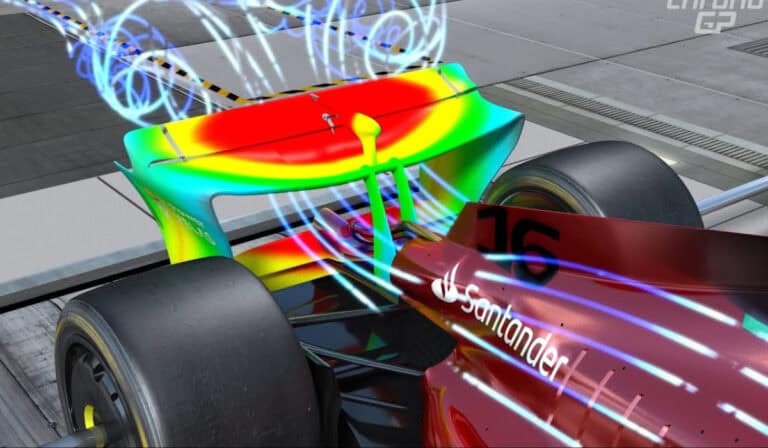
Teams use advanced computational fluid dynamics (CFD) and wind tunnels to study airflow patterns. Even small changes in airflow can lead to significant lap time differences, which is a key part of Formula 1 racing dynamics.
Key airflow management areas include:
- Front wing airflow direction
- Underfloor air channeling
- Rear wing stability
F1 Downforce – The Key to Cornering Speed
Downforce is the vertical force that pushes the car into the track. It is one of the most critical elements of Formula 1 performance, and it also plays a major role in creating the exciting updates and thrilling moments fans love to see during high-speed racing battles and wheel-to-wheel action.
How Downforce Works
Downforce is created by shaping the car’s body so that air pressure above the car is higher than below it. This pressure difference pushes the car downward.
FD=21ρv2CLA
Where:
- F_D = Downforce
- ρ (rho) = Air density
- v = Velocity
- C_L = Lift coefficient (negative in F1 for downforce)
- A = Surface area
Why Downforce Matters
More downforce means:
- Better cornering speed
- Improved tire grip
- Shorter braking distances
However, too much downforce can increase drag and reduce top speed.
Drag Reduction in Formula 1
Drag is the resistance the car faces as it moves through air. Reducing drag is essential for achieving high straight-line speeds, and it is also where many of the most important technological innovations in Formula 1 aerodynamics are developed and continuously refined.
Types of Drag
- Form drag: Caused by the shape of the car
- Induced drag: Generated by downforce-producing elements
- Skin friction: Caused by air moving over surfaces
Drag Reduction Techniques
F1 teams use several strategies:
- Streamlined body design
- Slim rear wings on low-downforce tracks
- DRS (Drag Reduction System) on straights
- Smooth airflow under the car
DRS is especially important, as it temporarily reduces rear wing drag to increase overtaking opportunities.
F1 Aerodynamic Design Principles
F1 aerodynamic design is a blend of physics, engineering, and innovation. Every millimeter of the car is designed with airflow in mind, and teams like Red Bull Racing are especially known for pushing aerodynamic concepts to the limit.
Front Wing Design
The front wing is the first point of contact with air. It:
- Directs airflow around tires
- Creates initial downforce
- Sets up airflow for the rest of the car
Sidepods and Bodywork
Sidepods manage airflow to:
- Cool the engine
- Reduce turbulence
- Guide air toward the rear diffuser
Rear Diffuser
The diffuser is one of the most powerful aerodynamic components. It accelerates air under the car, creating a low-pressure zone that increases downforce.
F1 Aero Package Strategy
An aero package refers to the complete aerodynamic setup of the car for a specific race, and in modern Formula 1 strategy it is often developed and fine-tuned under the leadership of engineers and team principals such as James Vowles.
High-Downforce Setup
Used on circuits like Monaco:
- Maximum grip
- High wing angles
- Lower top speed
Low-Downforce Setup
Used on tracks like Monza:
- Minimal drag
- Flat wing settings
- High top speed
Teams constantly adjust aero packages depending on track layout, weather, and tire strategy.
Formula 1 Downforce vs Airflow Balance
The biggest challenge in F1 aerodynamics is balancing downforce and airflow efficiency.
- More downforce = better corners but slower straights
- Better airflow efficiency = higher speed but less grip
Top teams like Red Bull Racing and Mercedes invest heavily in CFD simulations to optimize this balance.
Modern Innovations in F1 Aerodynamics
Modern Formula 1 has seen major aerodynamic changes due to new regulations, reshaping how teams design cars and fight for performance, with drivers like Lewis Hamilton adapting to evolving aero rules and racing dynamics throughout his career.
Ground Effect Technology
Ground effect uses the car’s floor to generate downforce more efficiently, reducing reliance on large wings.
Simplified Wing Designs
New rules limit extreme wing elements to:
- Reduce dirty air
- Improve overtaking
- Encourage closer racing
- Computational Fluid Dynamics (CFD)
CFD allows engineers to:
- Simulate airflow digitally
- Test thousands of design variations
- Reduce development time
Why Aerodynamics Defines Race Winners
In modern Formula 1, engine power alone is not enough. Aerodynamics often determines:
- Lap time consistency
- Tire degradation
- Fuel efficiency
- Overtaking ability
A well-designed aerodynamic package can outperform a more powerful engine with poor airflow management.
Conclusion
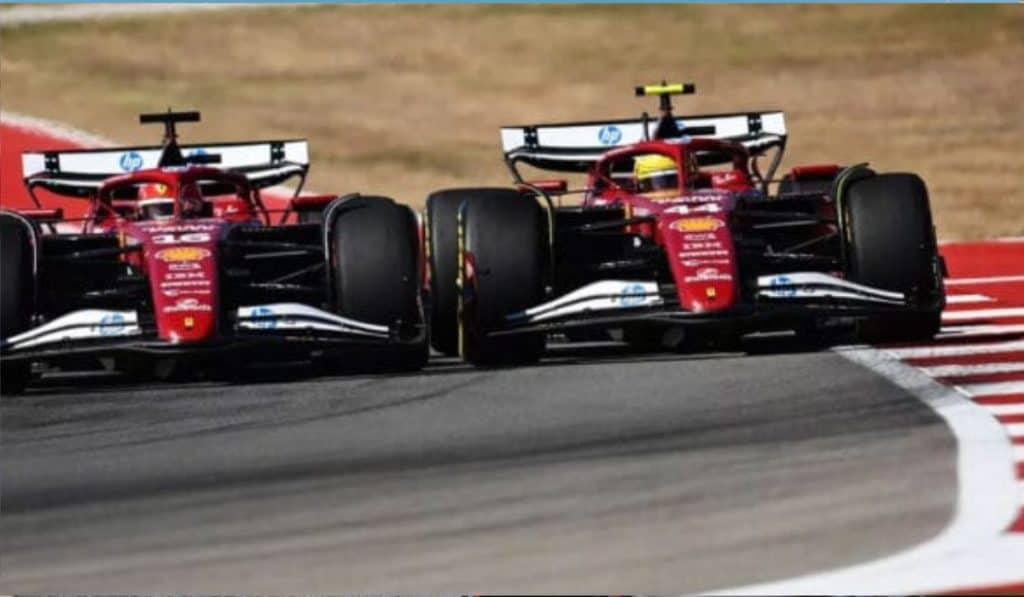
F1 aerodynamics is the invisible force behind every lap time improvement in Formula 1. From airflow control to downforce generation and drag reduction, every detail matters, especially when it comes to overtaking in Formula 1, where aerodynamic performance can determine whether a driver can successfully challenge and pass a competitor on track.
Teams continuously push engineering limits to find the perfect aerodynamic balance. Whether it’s through advanced CFD simulations, wind tunnel testing, or innovative aero packages, success in Formula 1 is deeply rooted in mastering air itself.
FAQ
What is F1 aerodynamics in simple terms?
It is the study of how air affects a Formula 1 car and how engineers use it to improve speed, grip, and stability.
Why is downforce important in F1?
Downforce pushes the car onto the track, improving tire grip and allowing higher cornering speeds.
What is drag in Formula 1?
Drag is air resistance that slows the car down, especially on straight sections of a track.
How do F1 cars reduce drag?
They use streamlined designs, DRS systems, and optimized aerodynamic setups.
What is an aero package in F1?
It is the complete aerodynamic setup of the car tailored for a specific race track.