Formula One Racing: The Complete Guide to F1, Grand Prix, and the Championship
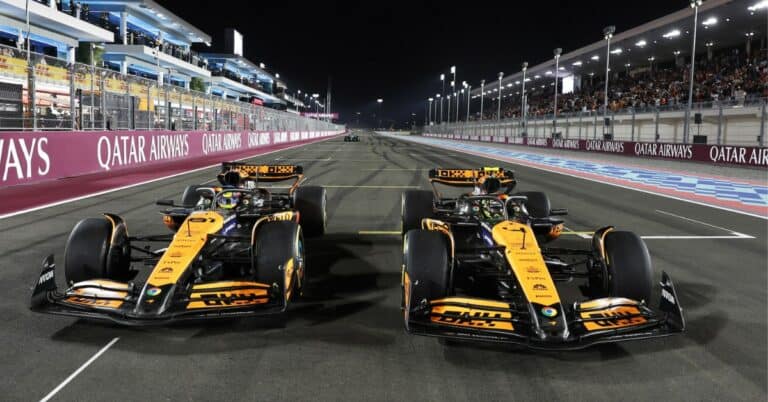
Formula One racing is the highest level of international motorsport and one of the most exciting sporting competitions in the world. Every year, millions of fans follow the action as the fastest drivers and most advanced racing cars compete on legendary circuits across multiple continents. Combining cutting-edge engineering, exceptional driving skill, and strategic teamwork, Formula 1 continues to attract new fans while maintaining its status as the pinnacle of motorsport.
Unlike many other racing series, Formula 1 is about much more than speed. Every race is the result of months of research, development, testing, and teamwork. Engineers continuously improve every component of the car, strategists analyze countless scenarios, and drivers push themselves to the limit in pursuit of victory.
What Is Formula One Racing?
Formula One racing represents the highest category of single-seater motorsport governed by international regulations. Only the world’s leading teams and drivers compete in this championship, making it the most prestigious racing series in existence.
Formula 1 cars are specially designed machines built for maximum speed, outstanding cornering ability, and exceptional aerodynamic efficiency. Every part of the car is carefully engineered to deliver the best possible performance on race day.
Why Is It Called Formula One?
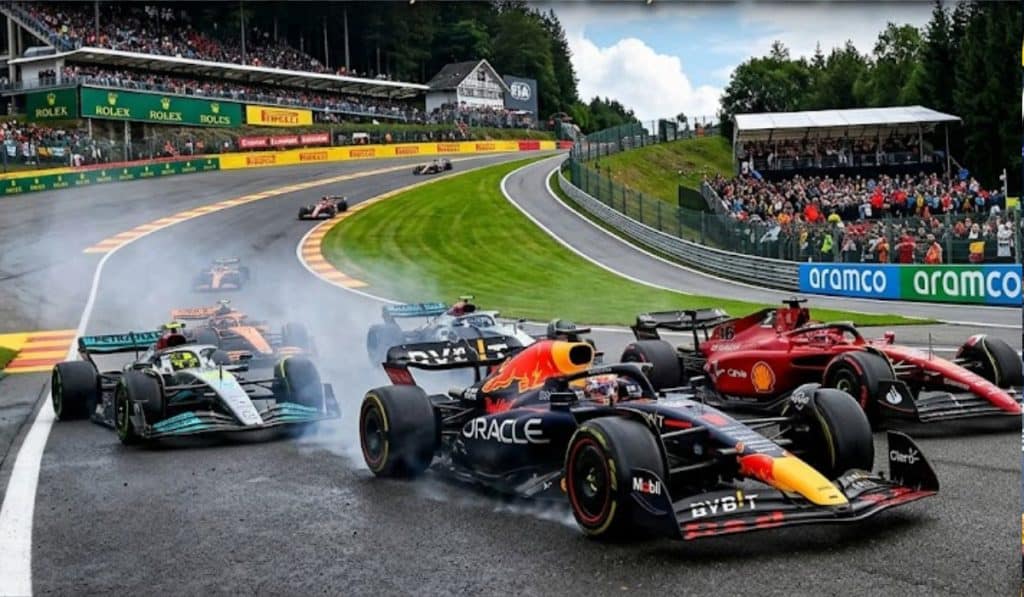
The word “Formula” refers to the strict set of technical and sporting regulations that every team must follow. The word “One” identifies it as the premier category of international open-wheel racing, where leading teams such as Red Bull Racing compete at the highest level of motorsport.
Why Is Formula One Racing So Popular?
Formula One racing continues to grow because it offers something for every sports fan.
Some of the biggest reasons include:
- Incredible speed
- World-class drivers
- Advanced engineering
- Historic race tracks
- Exciting overtaking battles
- Innovative race strategies
- Global competition
- Constant technological development
Understanding F1 Racing
Although many people think F1 racing is simply about driving as fast as possible, success depends on much more than speed.
Every team consists of hundreds of specialists working together throughout the season. Engineers, mechanics, strategists, software experts, and performance analysts all contribute to achieving the best possible race result.
The Driver’s Role
Formula 1 drivers must make split-second decisions while controlling cars capable of incredible speeds.
During every race, drivers constantly manage:
- Tire wear
- Fuel usage
- Battery deployment
- Brake temperatures
- Communication with engineers
- Overtaking opportunities
Physical fitness and mental concentration are equally important because races often last around two hours.
The Importance of Teamwork
Behind every successful driver stands an entire team working together.
Engineers monitor live data, strategists calculate pit stop windows, mechanics prepare for tire changes, and race engineers communicate continuously with the driver. This level of teamwork is one of the defining characteristics of the most successful F1 teams, allowing them to consistently compete for race wins and championships.
Without perfect teamwork, winning becomes nearly impossible.
The Formula 1 Championship
The Formula 1 championship is the main competition that determines the world’s best driver and constructor each season.
Every Grand Prix awards championship points based on finishing positions. These points accumulate throughout the year until the final race determines the champions.
Drivers’ Championship
Each driver competes for the World Drivers’ Championship by collecting points at every race.
Consistency throughout the season is often just as important as winning individual races.
Constructors’ Championship
Teams also compete for the Constructors’ Championship.
Both drivers contribute points to their team’s total, making every race important for manufacturers seeking to prove their engineering excellence.
Winning the Constructors’ Championship is considered one of the greatest achievements in Formula One racing.
The Formula 1 Season
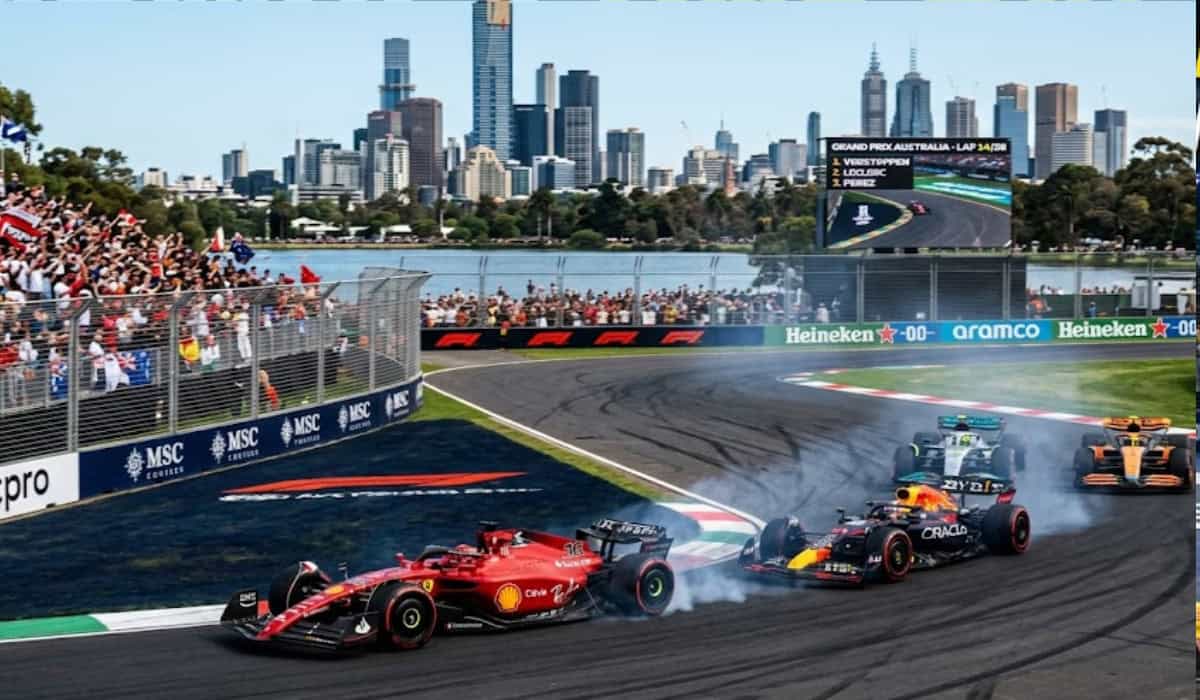
A Formula 1 season consists of numerous Grand Prix events held across several continents. Throughout the year, fans enjoy exciting updates and thrilling moments as teams battle for championship points on some of the world’s most iconic racing circuits.
Teams travel around the world, competing on famous circuits that each present unique technical and strategic challenges.
Every season includes preparation, testing, racing, and continuous car development.
Pre-Season Testing
Before the first race begins, every team spends months designing and building a completely new car.
Testing focuses on several important areas.
Aerodynamics
Engineers optimize airflow around the car to improve cornering speed while reducing drag.
Reliability
Every component must perform flawlessly over thousands of racing kilometers under extreme conditions.
Tire Performance
Understanding tire behavior is essential because different compounds perform differently depending on track temperature and driving style.
Formula 1 Grand Prix
Each Formula 1 Grand Prix is a separate event within the championship calendar.
Every Grand Prix has its own history, atmosphere, and technical characteristics.
Some circuits feature long straights where maximum speed is essential, while others demand exceptional cornering precision and driver skill.
Street Circuits
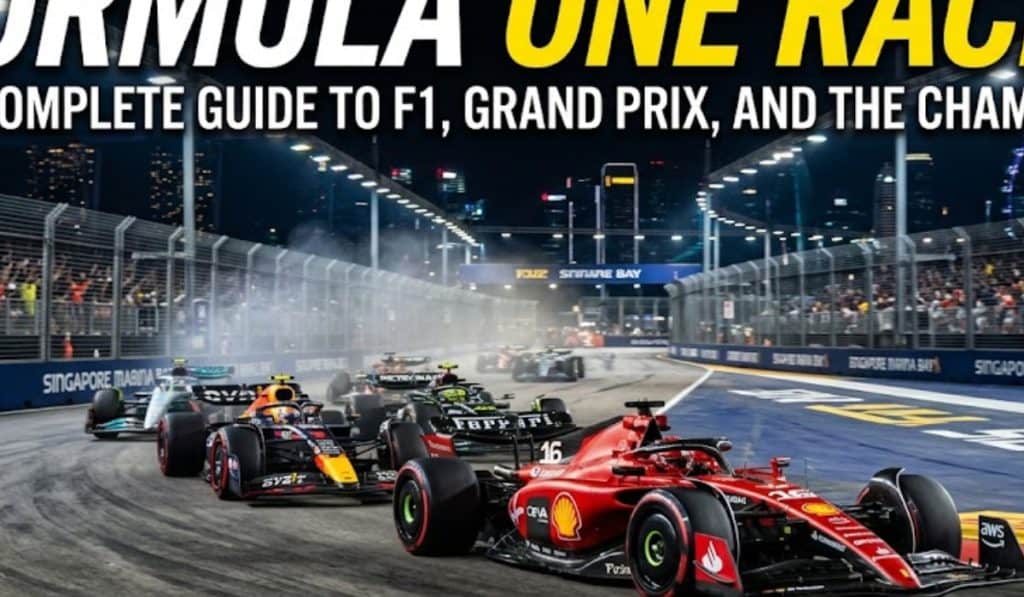
Street circuits are built using public roads and are surrounded by barriers.
These tracks leave little room for mistakes, rewarding precision and confidence.
Permanent Racing Circuits
Permanent circuits are purpose-built racing facilities with wider corners, larger run-off areas, and multiple overtaking opportunities. These venues also provide the perfect environment for teams to test technological innovations that enhance performance, safety, and race strategy throughout the season.
They often produce strategic races where tire management becomes crucial.
Formula 1 Race Weekend
A complete Formula 1 race weekend involves much more than Sunday’s race.
Every session plays an important role in determining the final outcome.
Free Practice Sessions
Practice allows teams to collect valuable data.
Engineers evaluate:
- Tire degradation
- Fuel consumption
- Car balance
- Suspension setup
- Brake performance
- Weather conditions
The information gathered influences every strategic decision later in the weekend.
Qualifying
Qualifying determines the starting grid for the race.
Drivers aim to complete the fastest possible lap while maximizing tire performance and finding clear track conditions.
The fastest driver earns the prestigious pole position.
Race Day
Sunday is when everything comes together.
Drivers battle for position while teams make constant strategic decisions regarding:
- Pit stop timing
- Tire selection
- Weather changes
- Safety Car periods
- Energy management
- Race pace
The combination of speed, teamwork, and strategy is what makes every Formula 1 race weekend unique and exciting. Understanding the F1 overtaking rules also helps fans appreciate the skill and precision required for drivers to complete safe and successful passing maneuvers during a race.
Frequently Asked Questions
What is Formula One racing?
Formula One racing is the highest class of international single-seater motorsport. It features the world’s fastest race cars, elite drivers, and leading teams competing in a championship held across multiple countries. Formula 1 combines advanced technology, engineering, strategy, and driving skill to create one of the most exciting sports in the world. Influential figures such as James Vowles also play a key role in shaping team strategy, leadership, and overall performance throughout the season.
What is the difference between Formula One racing and F1 racing?
There is no difference between Formula One racing and F1 racing. “F1” is simply the abbreviated name for Formula One. Both terms refer to the same international motorsport championship organized under FIA regulations.
How does the Formula 1 championship work?
The Formula 1 championship awards points to drivers and teams based on their finishing positions in each Grand Prix. Drivers compete for the World Drivers’ Championship, while teams compete for the Constructors’ Championship. The competitors with the most points at the end of the season become world champions.
How long is a Formula 1 season?
A Formula 1 season usually runs from early spring until late autumn and includes multiple Grand Prix events held around the world. Teams travel across different continents, competing on a variety of permanent circuits and street tracks throughout the championship.
What happens during a Formula 1 race weekend?
A Formula 1 race weekend consists of free practice sessions, qualifying, and the main race. During practice, teams test different setups and collect data. Qualifying determines the starting grid, and the race on Sunday decides how championship points are awarded.
What is a Formula 1 Grand Prix?
A Formula 1 Grand Prix is an individual race that forms part of the Formula 1 championship calendar. Every Grand Prix takes place on a unique circuit with different layouts, weather conditions, and racing challenges, making each event distinct.
Why is strategy important in Formula One racing?
Strategy plays a major role because teams must decide when to make pit stops, which tires to use, and how to respond to changing weather or Safety Car periods. A smart strategy can often help a driver gain positions even without having the fastest car.
How fast are Formula 1 cars?
Formula 1 cars are among the fastest racing machines in the world. They can exceed speeds of 350 km/h (217 mph) on certain circuits while also producing incredible cornering performance thanks to advanced aerodynamics and high levels of downforce.
Why do Formula 1 teams change tires during a race?
Teams change tires because different tire compounds perform differently as they wear. Fresh tires provide better grip and faster lap times, so choosing the right moment for a pit stop is an important part of race strategy.
Can beginners easily understand Formula One racing?
Yes. Although Formula One racing involves advanced technology and complex strategies, beginners can quickly learn the basics by understanding how race weekends work, how points are awarded, and how drivers and teams compete throughout the Formula 1 season.