How Fast Do Formula 1 Cars Go? Exploring Top Speed, Acceleration and F1 Records
Formula 1 is widely considered the pinnacle of motorsport, combining cutting-edge technology, world-class drivers and some of the fastest racing machines ever built. One of the most common questions among fans and newcomers to the sport is simple: How fast do Formula 1 cars go?
The answer is impressive. Modern Formula 1 cars can exceed speeds of 360 km/h (224 mph) on certain circuits and accelerate faster than many supercars and hypercars. However, top speed is only one part of the story. What truly makes an F1 car extraordinary is its ability to combine incredible speed with rapid acceleration, extreme braking performance and unmatched cornering capabilities.
In this guide, we’ll explore Formula 1 speed, top speed records, acceleration figures and why these cars are among the fastest racing machines ever created.
How Fast Do Formula 1 Cars Go?
Modern Formula 1 cars typically reach top speeds between:
- 330 km/h and 360 km/h
- 205 mph and 224 mph
The exact speed depends on several factors:
- Circuit layout
- Aerodynamic setup
- Weather conditions
- Engine performance
- DRS usage
- Tire grip
Some circuits, such as Monza in Italy, are known as the “Temple of Speed” because they allow cars to reach their maximum velocity. These high-speed tracks place enormous demands on Formula 1 driver performance, requiring exceptional concentration, precision, braking skills and the ability to maintain control at extreme speeds.
What Is the Fastest Speed Ever Recorded in Formula 1?
The official Formula 1 speed record belongs to:
Valtteri Bottas
- Speed: 372.5 km/h (231.4 mph)
- Team: Mercedes
- Location: Mexican Grand Prix, 2016
This remains one of the fastest speeds ever achieved during an official Formula 1 event.
Top Speed F1: Why Some Tracks Are Faster Than Others
Not every Formula 1 circuit allows maximum speed.
High-Speed Circuits
Examples include:
- Monza
- Mexico City
- Las Vegas
- Baku
These tracks feature:
- Long straights
- Fewer slow corners
- Lower aerodynamic drag
Technical Circuits
Tracks such as:
- Monaco
- Singapore
- Hungary
focus more on:
- Cornering ability
- Downforce
- Braking performance
At these circuits, top speed becomes less important. Instead, success often depends on aerodynamic efficiency, precise handling and driver skill, all of which contribute to a team’s long-term motorsport legacy and reputation within Formula 1 history.
Formula 1 Speed Compared to Supercars
Many people assume that supercars are faster than Formula 1 cars.
Let’s compare:
| Vehicle | Top Speed |
| Formula 1 Car | 360+ km/h |
| Ferrari SF90 Stradale | 340 km/h |
| McLaren P1 | 350 km/h |
| Bugatti Chiron | 420+ km/h |
| Koenigsegg Jesko | 480+ km/h (claimed) |
Although some road cars have higher top speeds, Formula 1 cars dominate in:
- Acceleration
- Braking
- Cornering
- Lap times
A Formula 1 car would comfortably outperform almost every production car around a race circuit. Factors such as aerodynamics, braking performance and cornering speed play a major role, while track-specific setups, including Red Bull Ring Gear selections and transmission configurations, help teams maximize performance on different circuits.
F1 Acceleration: Faster Than a Fighter Jet?
One of the most incredible aspects of Formula 1 is acceleration.
Modern Formula 1 cars can accelerate:
- 0–100 km/h in around 2.5 seconds
- 0–200 km/h in around 4.5 seconds
- 0–300 km/h in approximately 10 seconds
This makes them:
- Faster than most supercars.
- Comparable to some military aircraft during takeoff.
- Among the fastest accelerating vehicles in the world.
Why Are Formula 1 Cars So Fast?
Several factors contribute to Formula 1’s incredible performance.
Hybrid Power Units
Modern F1 engines combine:
- Turbocharged V6 engines
- Electric motor systems
- Energy recovery systems
Combined output exceeds:
1,000 horsepower
despite the relatively small engine size.
Lightweight Construction
Formula 1 cars are built primarily from:
- Carbon fiber
- Lightweight composites
- Advanced materials
This results in an extremely favorable power-to-weight ratio.
Aerodynamics
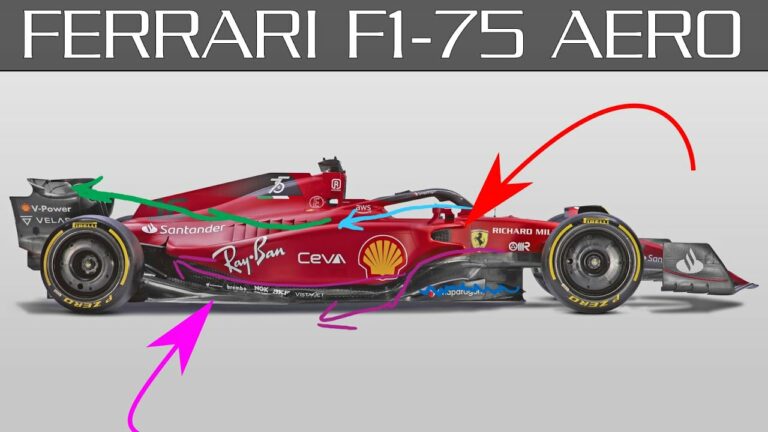
Perhaps the biggest reason Formula 1 cars are so fast is downforce.
The cars are designed to:
- Stick to the track.
- Corner at extreme speeds.
- Maintain stability.
At high speed, an F1 car can generate enough downforce to theoretically drive upside down.
Fastest F1 Car in History
Determining the fastest F1 car depends on how speed is measured. While outright pace is often the focus, the achievements of the most successful F1 teams have also played a major role in shaping Formula 1 history and setting performance benchmarks across different eras.
Fastest Top Speed
Honda RA106
- 397.36 km/h (246.9 mph)
- Bonneville Salt Flats
- 2006 car modified for speed record attempts
Fastest Race Car
Many experts consider the:
- Mercedes W11 (2020)
- Red Bull RB19 (2023)
to be among the fastest Formula 1 cars ever built due to their dominance and lap-time performance.
F1 Speed Records Through History
Formula 1 has become significantly faster over the decades.
1950s
Top speeds:
- Around 280 km/h
1980s Turbo Era
Top speeds:
- More than 350 km/h
Early 2000s
Top speeds:
- Around 370 km/h
Modern Hybrid Era
Top speeds:
- Between 330 and 360 km/h
Although regulations often change, engineers continuously find new ways to improve performance.
How Quickly Can an F1 Car Brake?
Acceleration often gets the headlines, but braking performance is equally astonishing.
An F1 car can:
- Brake from 300 km/h to 0 in under five seconds.
- Generate enormous braking forces.
- Stop in less than 100 meters in certain conditions.
The braking capability of Formula 1 cars is unlike almost anything else on earth.
Why Don’t Formula 1 Cars Always Drive at Maximum Speed?
Many fans wonder why drivers don’t simply drive at top speed all the time. The answer lies in F1 aerodynamics, where maximizing downforce, cornering grip, tire management, and overall lap time is often more important than achieving the highest speed on a straight.”
The answer is simple:
Formula 1 is about achieving the fastest lap time, not the highest speed.
Sometimes slowing down:
- Improves tire management.
- Helps save fuel.
- Reduces tire wear.
- Improves corner exits.
A car with a slightly lower top speed can often produce a faster overall lap.
Which Circuit Produces the Highest Speeds?
Monza
Known as:
The Temple of Speed
Characteristics:
- Long straights
- Low downforce setup
- Average speeds above 250 km/h
Mexico City
Due to high altitude:
- Lower air density
- Reduced aerodynamic drag
- Extremely high top speeds
Las Vegas
The long Strip straight allows drivers to exceed:
350 km/h.
Are Formula 1 Cars Getting Faster?
The answer is both yes and no.
Regulation changes often aim to:
- Improve safety.
- Increase overtaking.
- Reduce costs.
Yet engineers continuously innovate and recover much of the lost performance.
The upcoming 2026 regulations may initially reduce speeds slightly, but history suggests Formula 1 teams will once again push the limits of performance under the guidance of leaders such as Frédéric Vasseur, whose strategic vision continues to shape the future of the sport.
Formula 1 Speed Compared to Other Racing Series
| Series | Top Speed |
| Formula 1 | 360+ km/h |
| IndyCar | 380+ km/h |
| NASCAR | 320 km/h |
| Formula E | 320 km/h |
| WEC Hypercars | 340 km/h |
While IndyCars can achieve higher top speeds on oval tracks, Formula 1 cars remain the fastest around most road circuits.
How Much G-Force Do Drivers Experience?
At full speed, Formula 1 drivers experience:
- Up to 5G under braking.
- Up to 5G in corners.
- Extreme physical demands.
Drivers train extensively to withstand these forces throughout an entire race.
Could Formula 1 Cars Go Even Faster?
Technically, yes.
Without strict regulations:
- More power
- More aerodynamic freedom
- Lower weight
could potentially push Formula 1 cars beyond:
400 km/h
However, safety concerns make such speeds unlikely in modern Formula 1.
Final Thoughts
So, how fast do Formula 1 cars go?
Modern Formula 1 machines regularly exceed 360 km/h, accelerate faster than most supercars, and deliver performance levels that no production vehicle can match on a race track. Drivers such as Lewis Hamilton have showcased the incredible capabilities of these cars through record-breaking performances and championship-winning campaigns.
However, Formula 1 speed is about far more than top speed alone. The combination of acceleration, braking, cornering and technological innovation is what truly makes these cars extraordinary.
As technology continues to evolve, Formula 1 will undoubtedly keep pushing the boundaries of what is possible in motorsport.
Frequently Asked Questions
How fast do Formula 1 cars go?
Modern Formula 1 cars can reach speeds of more than 360 km/h (224 mph).
What is the fastest Formula 1 speed ever recorded?
Valtteri Bottas reached 372.5 km/h (231.4 mph) during the 2016 Mexican Grand Prix.
How quickly does an F1 car accelerate?
An F1 car can accelerate from 0 to 100 km/h in around 2.5 seconds.
What is the fastest Formula 1 car ever built?
The Honda RA106 holds the unofficial top-speed record of 397.36 km/h during a speed run.
Are Formula 1 cars faster than supercars?
Around a race track, Formula 1 cars are significantly faster than even the most expensive supercars.
Which Formula 1 circuit is the fastest?
Monza in Italy is widely regarded as the fastest circuit on the Formula 1 calendar.
Could Formula 1 cars reach 400 km/h?
Technically yes, but current regulations and safety concerns make this unlikely.